
The Story
Continuous Flow Ultrasonicator – QualiUltra™ Flow Series
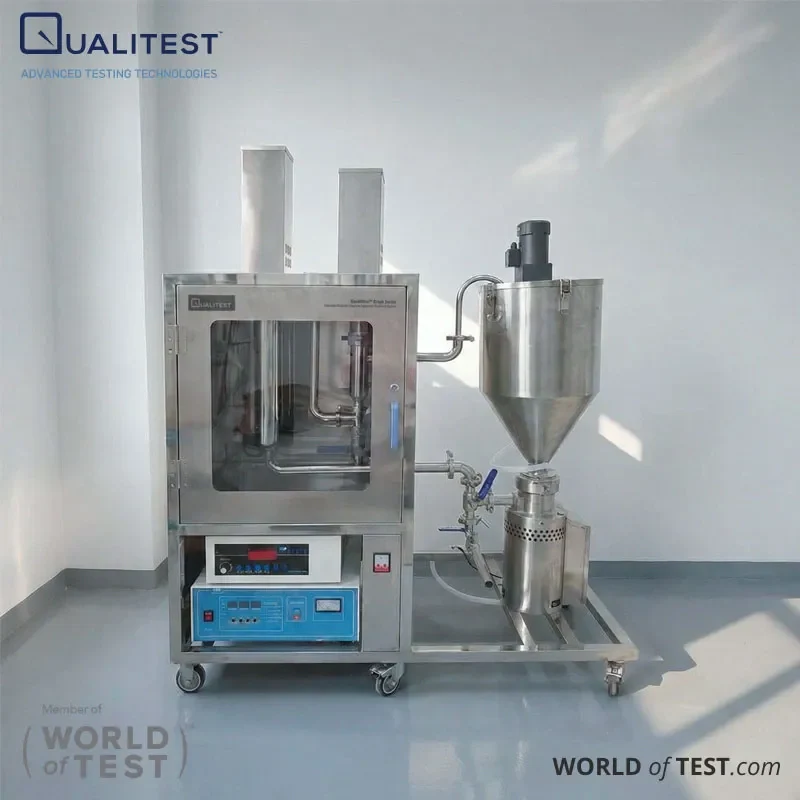
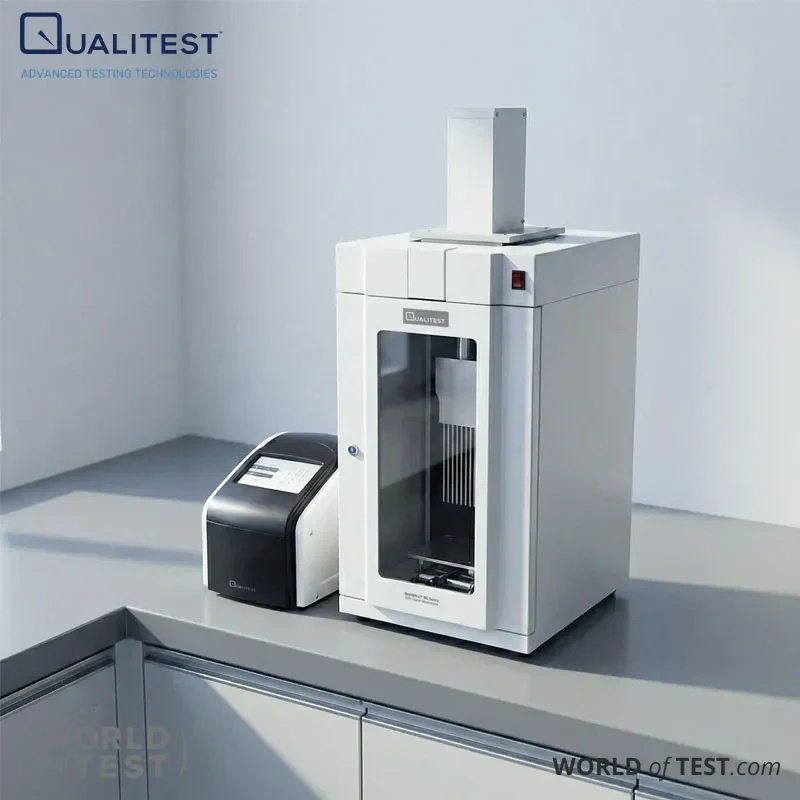
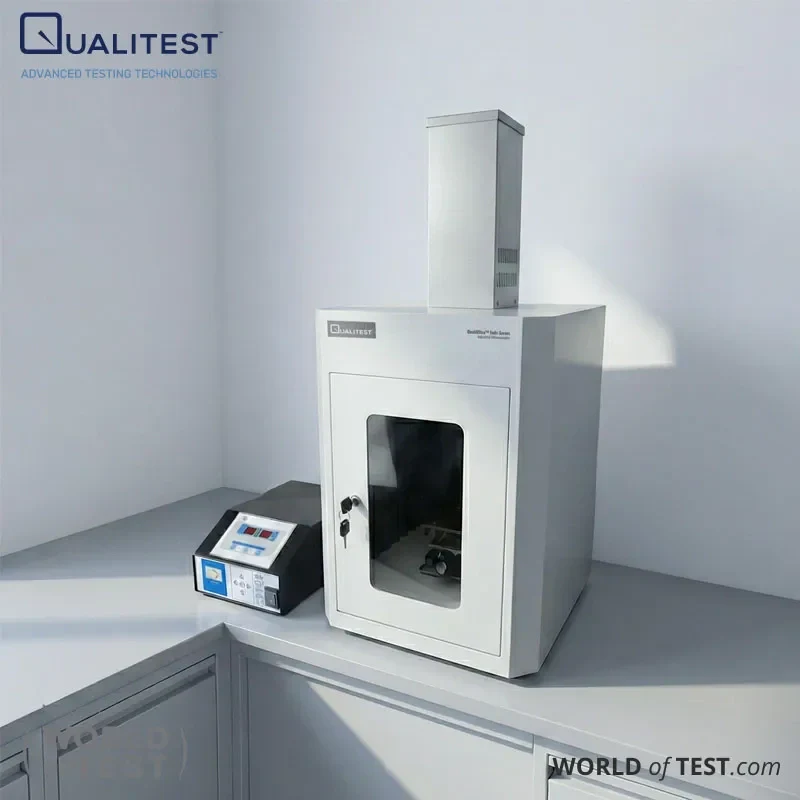
The QualiUltra™ Flow Series continuous flow ultrasonicator is engineered for inline cell disruption and high-shear processing within a controlled reactor pathway. It generates 20 kHz ultrasonic energy through a dedicated flow reactor, enabling uninterrupted processing instead of conventional batch operation. Two system configurations are available to accommodate varying throughput requirements while maintaining consistent power output, frequency stability, and probe geometry.
Designed for production-oriented environments, the system integrates data logging, user access control, and network connectivity to support process traceability and operational monitoring. Integrated temperature regulation assists in maintaining stable processing conditions during extended operation cycles.
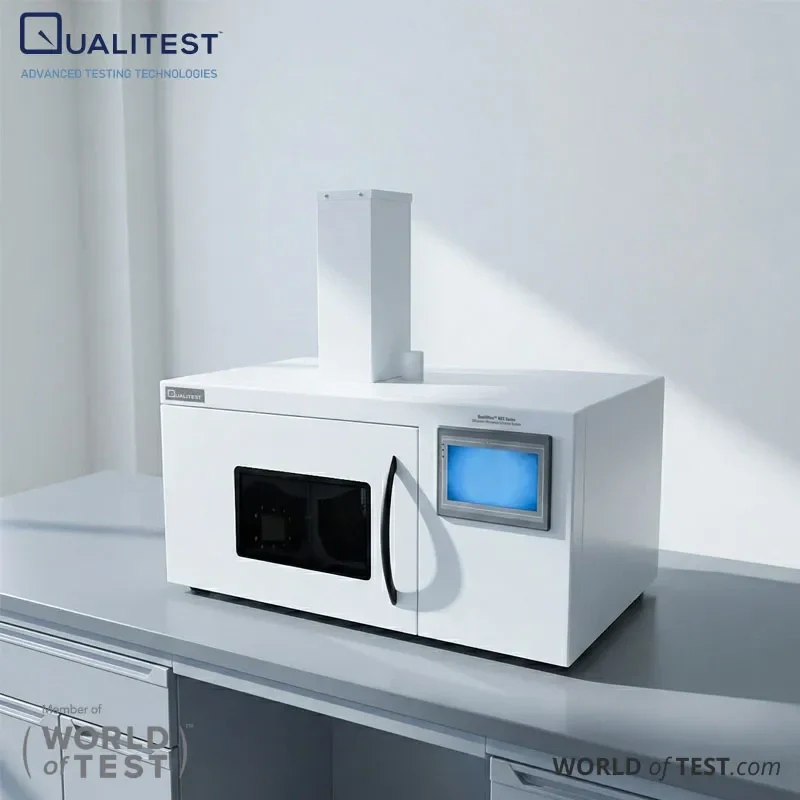
The QualiUltra™ Flow Series is built around a compact ultrasonic reactor module paired with a 10-inch touchscreen interface for intuitive control. It supports both focused and distributed ultrasonic energy delivery, depending on the selected configuration. With a rated power of 750 W and adjustable output settings, the system provides operational flexibility for different viscosity levels and solid concentrations. The SUS316 stainless steel flow reactor ensures compatibility with wet processing applications and supports efficient cleaning routines. Built-in memory allows recipe management along with structured process recordkeeping for repeatable workflows.
Applications
Continuous cell disruption for bioprocessing and biotechnology laboratories
Inline sonication supports cell rupture during continuous flow, enabling efficient release of intracellular proteins and simplifying downstream extraction workflows. Compared with batch probe methods, continuous processing can reduce manual handling and improve workflow consistency.
Emulsification and homogenization in process development
Ultrasonic cavitation promotes fine droplet breakup and improves mixing uniformity in liquid systems. Flow-based processing allows controlled residence time, supporting repeatable experimental conditions during formulation and process optimization.
Nanomaterial dispersion and deagglomeration
Continuous ultrasonic energy assists in breaking weak agglomerates and maintaining stable dispersions. This is especially useful for scale-up studies where consistent dispersion quality is required across multiple production runs.
Liquid processing workflows requiring documentation and traceability
Integrated data logging and export functions support documentation in SOP-driven environments. User access control and multi-operator setup help maintain standardized operation across different shifts and users.
Temperature-controlled inline processing
Compatibility with external thermostat systems and reactor temperature management helps regulate heat generation during operation. This supports processing of temperature-sensitive materials and extended runtime applications.
Standards Compliance
IEC 61010-1
Safety requirements for electrical equipment used in measurement, control, and laboratory environments. This standard defines protection measures for operators and equipment during routine laboratory operation.
IEC 61326-1
Electromagnetic compatibility (EMC) requirements for laboratory and analytical instruments. It ensures stable performance in environments with electronic interference and mixed instrumentation setups.
ISO 20427:2023
Guidance for ultrasonic dispersion processes, supporting structured method development and documentation for sonication-based workflows. This standard helps align process consistency and technical reporting in ultrasonic applications.
Continuous Flow Ultrasonicator – QualiUltra™ Flow Series Key Features
Continuous flow processing architecture
Enables inline ultrasonic treatment instead of batch-based operation, improving processing efficiency and supporting higher throughput in repeatable workflows.
Two ultrasonic configurations
Focused mode delivers concentrated energy within a compact reactor zone, while distributed mode provides a broader treatment area for varied processing requirements.
SUS316 flow reactor construction
The reactor is built from SUS316 stainless steel, suitable for liquid processing environments and designed to support routine cleaning procedures.
Adjustable power with stable 20 kHz frequency
750 W ultrasonic output with adjustable intensity allows adaptation to different sample viscosities and solid content while maintaining consistent operating frequency.
10-inch touchscreen control interface
A responsive touchscreen panel simplifies setup, parameter adjustment, and day-to-day operation across different users.
Integrated data logging and export functions
Internal storage records process parameters and operational history, with USB export capability for documentation and analysis.
Network connectivity and synchronization support
RJ45 Ethernet interface enables data synchronization across connected systems when required for process monitoring.
User permission management system
Three-tier access control structure helps regulate operator permissions and supports standardized operational procedures.
Theory and Method
This ultrasonicator operates by generating high-frequency mechanical vibrations that induce cavitation within the liquid flowing through the reactor. The formation and collapse of cavitation bubbles create localized shear forces and micro-streaming effects, which contribute to particle disruption, improved dispersion, and enhanced mixing performance.
The continuous flow reactor introduces precise residence-time control, allowing process intensity to be regulated through adjustments in flow rate and exposure duration. Pulse operation settings can be applied to control thermal buildup and support stable processing conditions. Integrated temperature control functions further help maintain consistent operating parameters during extended continuous runs.
Typical Operating Workflow
- Connect the flow reactor assembly and verify temperature control setup if required.
- Select either focused or distributed ultrasonic mode depending on the process requirement.
- Configure power level, pulse parameters, and total processing time.
- Adjust and maintain the target flow rate to match the desired processing capacity.
- After completion, export operational data via USB for documentation and repeatable process validation.
Continuous Flow Ultrasonicator – QualiUltra™ Flow Series Technical Specification
| Specification | QualiUltra™ Flow 150 | QualiUltra™ Flow 200 |
|---|---|---|
| Product type | Focused Continuous Flow Ultrasonic Cell Disruptor | Distributed Continuous Flow Ultrasonic Cell Disruptor |
| Ultrasonic frequency | 20 kHz ±1 kHz | |
| Ultrasonic type | Focused ultrasonic | Distributed ultrasonic |
| Probe diameter | 20 mm | |
| Power | 750 W | |
| Ultrasonic reactor material | SUS316 | |
| Ultrasonic reactor volume | 150 mL | 200 mL |
| Ultrasonic power setting | 1%–100% | |
| Ultrasonic pulse setting | 0–99 s | |
| Ultrasonic working time setting | 1–99 s | |
| Ultrasonic total time setting | 1–999 min | |
| Ultrasonic processing capacity | 5–50 L/h | |
| Operation mode | 10-inch touch screen | |
| Communication interface | RJ45 Ethernet | |
| Permission management | Three-level permission management | |
| Data logging | Built-in storage, saves operation records | |
| Data export | Export via USB port | |
| UPS support | Optional | |
| Time synchronization | Network synchronization available | |
| Number of users | Multiple user roles can be set | |
| Reactor temperature control | -30°C to 100°C | |
Description
Continuous Flow Ultrasonicator – QualiUltra™ Flow Series
The QualiUltra™ Flow Series continuous flow ultrasonicator is engineered for inline cell disruption and high-shear processing within a controlled reactor pathway. It generates 20 kHz ultrasonic energy through a dedicated flow reactor, enabling uninterrupted processing instead of conventional batch operation. Two system configurations are available to accommodate varying throughput requirements while maintaining consistent power output, frequency stability, and probe geometry.
Designed for production-oriented environments, the system integrates data logging, user access control, and network connectivity to support process traceability and operational monitoring. Integrated temperature regulation assists in maintaining stable processing conditions during extended operation cycles.
The QualiUltra™ Flow Series is built around a compact ultrasonic reactor module paired with a 10-inch touchscreen interface for intuitive control. It supports both focused and distributed ultrasonic energy delivery, depending on the selected configuration. With a rated power of 750 W and adjustable output settings, the system provides operational flexibility for different viscosity levels and solid concentrations. The SUS316 stainless steel flow reactor ensures compatibility with wet processing applications and supports efficient cleaning routines. Built-in memory allows recipe management along with structured process recordkeeping for repeatable workflows.
Applications
Continuous cell disruption for bioprocessing and biotechnology laboratories
Inline sonication supports cell rupture during continuous flow, enabling efficient release of intracellular proteins and simplifying downstream extraction workflows. Compared with batch probe methods, continuous processing can reduce manual handling and improve workflow consistency.
Emulsification and homogenization in process development
Ultrasonic cavitation promotes fine droplet breakup and improves mixing uniformity in liquid systems. Flow-based processing allows controlled residence time, supporting repeatable experimental conditions during formulation and process optimization.
Nanomaterial dispersion and deagglomeration
Continuous ultrasonic energy assists in breaking weak agglomerates and maintaining stable dispersions. This is especially useful for scale-up studies where consistent dispersion quality is required across multiple production runs.
Liquid processing workflows requiring documentation and traceability
Integrated data logging and export functions support documentation in SOP-driven environments. User access control and multi-operator setup help maintain standardized operation across different shifts and users.
Temperature-controlled inline processing
Compatibility with external thermostat systems and reactor temperature management helps regulate heat generation during operation. This supports processing of temperature-sensitive materials and extended runtime applications.
Standards Compliance
IEC 61010-1
Safety requirements for electrical equipment used in measurement, control, and laboratory environments. This standard defines protection measures for operators and equipment during routine laboratory operation.
IEC 61326-1
Electromagnetic compatibility (EMC) requirements for laboratory and analytical instruments. It ensures stable performance in environments with electronic interference and mixed instrumentation setups.
ISO 20427:2023
Guidance for ultrasonic dispersion processes, supporting structured method development and documentation for sonication-based workflows. This standard helps align process consistency and technical reporting in ultrasonic applications.
Continuous Flow Ultrasonicator – QualiUltra™ Flow Series Key Features
Continuous flow processing architecture
Enables inline ultrasonic treatment instead of batch-based operation, improving processing efficiency and supporting higher throughput in repeatable workflows.
Two ultrasonic configurations
Focused mode delivers concentrated energy within a compact reactor zone, while distributed mode provides a broader treatment area for varied processing requirements.
SUS316 flow reactor construction
The reactor is built from SUS316 stainless steel, suitable for liquid processing environments and designed to support routine cleaning procedures.
Adjustable power with stable 20 kHz frequency
750 W ultrasonic output with adjustable intensity allows adaptation to different sample viscosities and solid content while maintaining consistent operating frequency.
10-inch touchscreen control interface
A responsive touchscreen panel simplifies setup, parameter adjustment, and day-to-day operation across different users.
Integrated data logging and export functions
Internal storage records process parameters and operational history, with USB export capability for documentation and analysis.
Network connectivity and synchronization support
RJ45 Ethernet interface enables data synchronization across connected systems when required for process monitoring.
User permission management system
Three-tier access control structure helps regulate operator permissions and supports standardized operational procedures.
Theory and Method
This ultrasonicator operates by generating high-frequency mechanical vibrations that induce cavitation within the liquid flowing through the reactor. The formation and collapse of cavitation bubbles create localized shear forces and micro-streaming effects, which contribute to particle disruption, improved dispersion, and enhanced mixing performance.
The continuous flow reactor introduces precise residence-time control, allowing process intensity to be regulated through adjustments in flow rate and exposure duration. Pulse operation settings can be applied to control thermal buildup and support stable processing conditions. Integrated temperature control functions further help maintain consistent operating parameters during extended continuous runs.
Typical Operating Workflow
- Connect the flow reactor assembly and verify temperature control setup if required.
- Select either focused or distributed ultrasonic mode depending on the process requirement.
- Configure power level, pulse parameters, and total processing time.
- Adjust and maintain the target flow rate to match the desired processing capacity.
- After completion, export operational data via USB for documentation and repeatable process validation.
Continuous Flow Ultrasonicator – QualiUltra™ Flow Series Technical Specification
| Specification | QualiUltra™ Flow 150 | QualiUltra™ Flow 200 |
|---|---|---|
| Product type | Focused Continuous Flow Ultrasonic Cell Disruptor | Distributed Continuous Flow Ultrasonic Cell Disruptor |
| Ultrasonic frequency | 20 kHz ±1 kHz | |
| Ultrasonic type | Focused ultrasonic | Distributed ultrasonic |
| Probe diameter | 20 mm | |
| Power | 750 W | |
| Ultrasonic reactor material | SUS316 | |
| Ultrasonic reactor volume | 150 mL | 200 mL |
| Ultrasonic power setting | 1%–100% | |
| Ultrasonic pulse setting | 0–99 s | |
| Ultrasonic working time setting | 1–99 s | |
| Ultrasonic total time setting | 1–999 min | |
| Ultrasonic processing capacity | 5–50 L/h | |
| Operation mode | 10-inch touch screen | |
| Communication interface | RJ45 Ethernet | |
| Permission management | Three-level permission management | |
| Data logging | Built-in storage, saves operation records | |
| Data export | Export via USB port | |
| UPS support | Optional | |
| Time synchronization | Network synchronization available | |
| Number of users | Multiple user roles can be set | |
| Reactor temperature control | -30°C to 100°C | |