The Story
Ultrasonic 2D Material Stripper Ultrasonicator – QualiUltra™ 2D Series
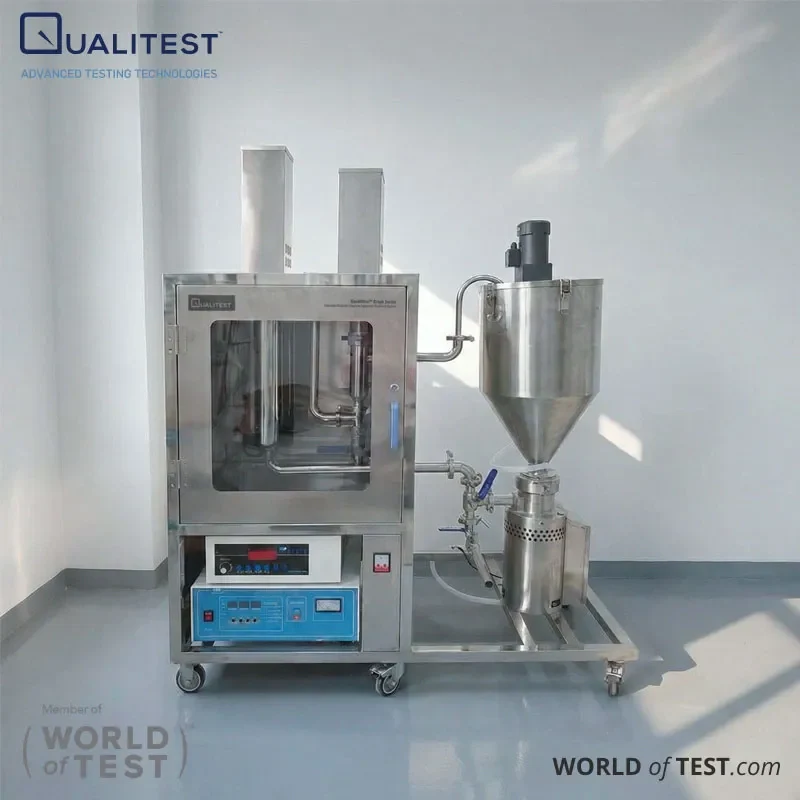
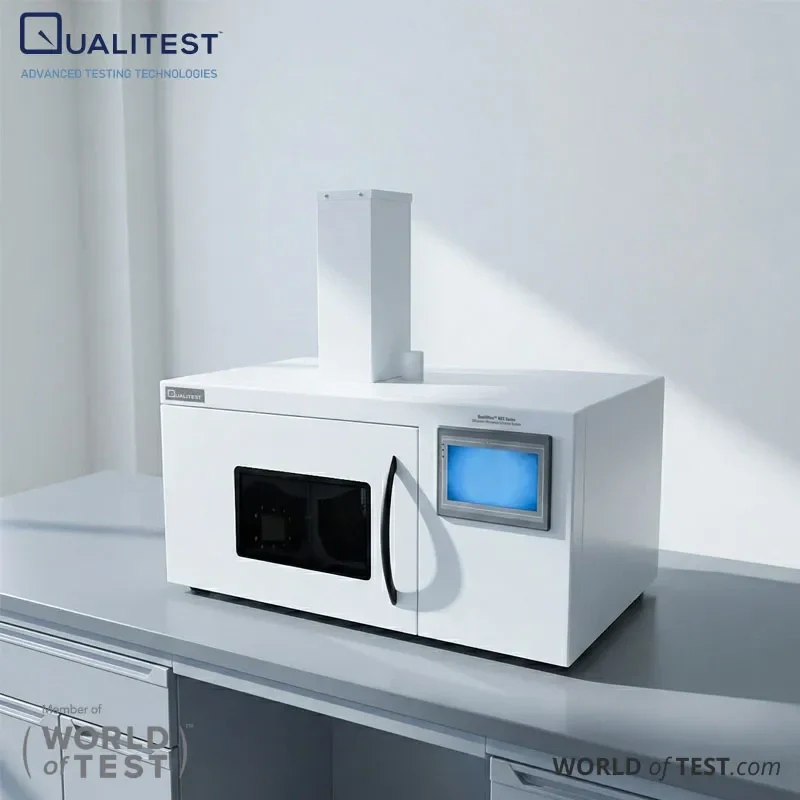
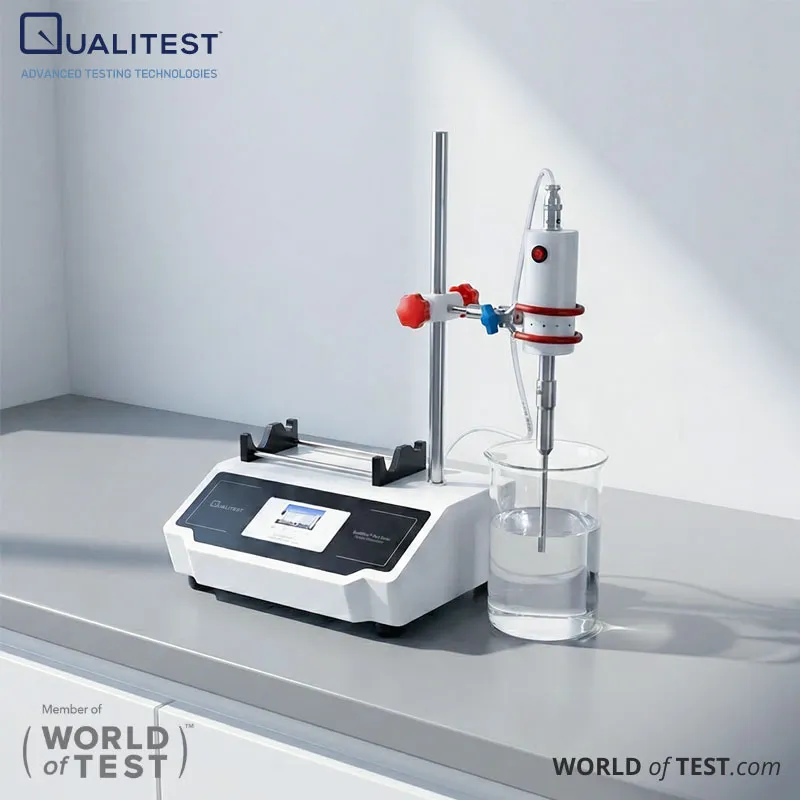
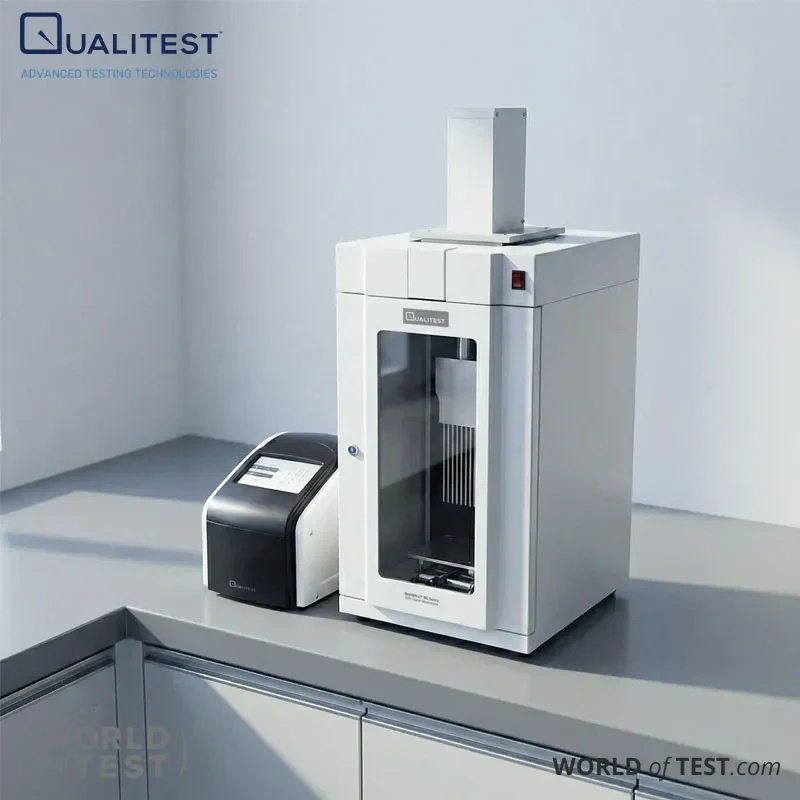
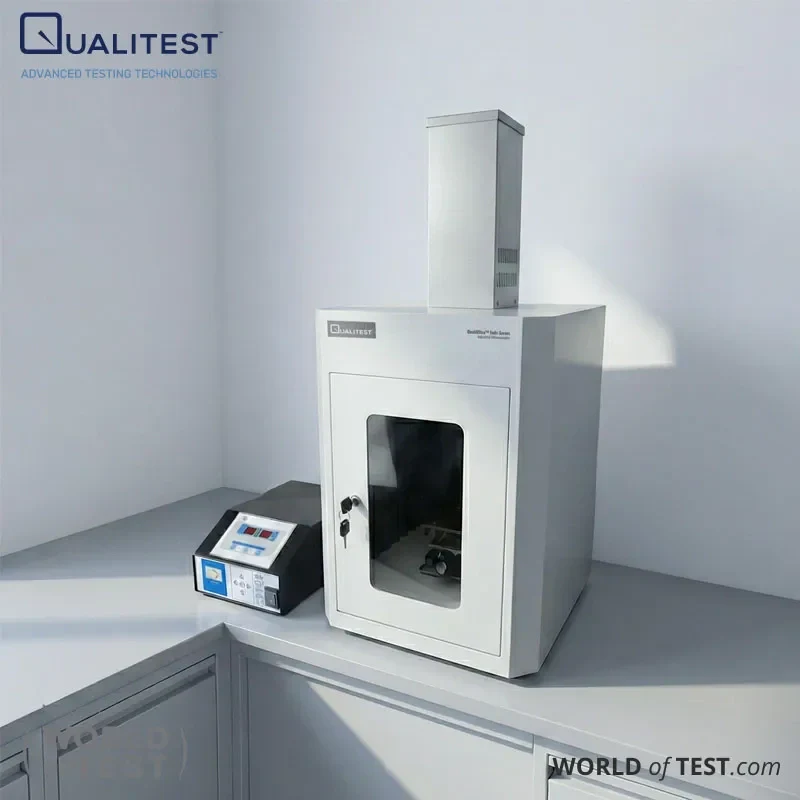
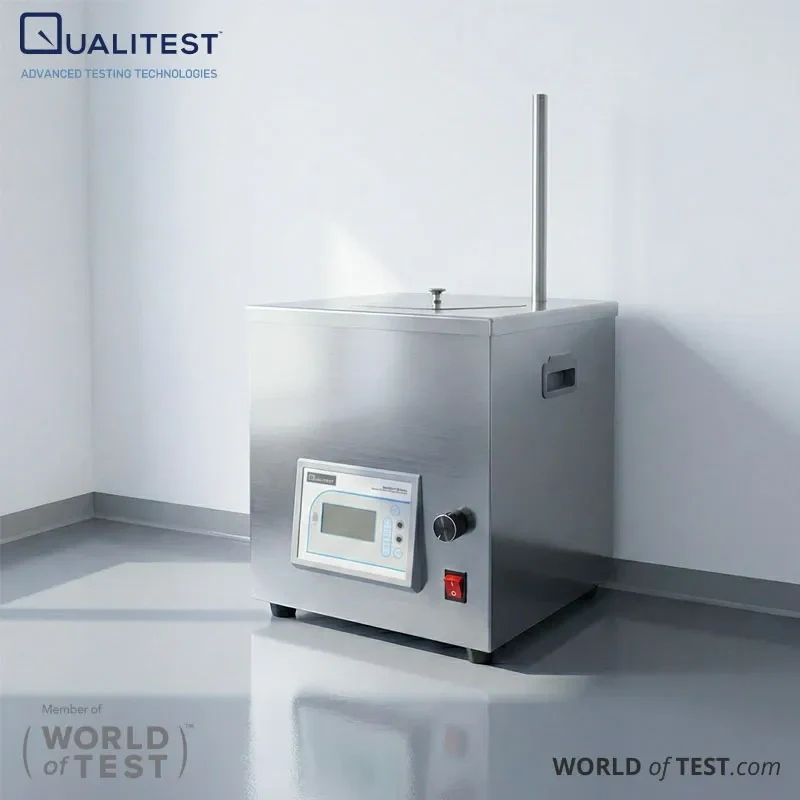
Consistent 2D material production at scale depends on stable ultrasonication performance. The QualiUltra™ 2D Series is an ultrasonic 2D material stripper developed to exfoliate layered structures while supporting the preservation of crystal morphology and lattice integrity. It merges ultrasonic energy with controlled stirring to deliver a more even distribution of mechanical stress during exfoliation. Users can adjust ultrasonic duration, power level, and bath temperature via a centralized controller with built-in data logging.
The QualiUltra™ 2D Series is designed for material science laboratories requiring repeatable preparation of graphene and other 2D compounds without frequent manual adjustments. A large LCD paired with a human–machine interface enables real-time monitoring and precise control of operating parameters. Integrated safety features support stable long-duration operation, making it suitable for extended experimental runs. Two power options are available to align with different processing and throughput requirements.
This system integrates ultrasonic cavitation with magnetic stirring inside a hexagonal reactor chamber. The combined action of sonication and agitation enhances dispersion uniformity and supports controlled exfoliation behavior. Power output and timing are software-managed, while temperature feedback is continuously displayed on the control screen. A built-in water inlet and outlet system assists thermal regulation, helping maintain stability during processing of temperature-sensitive materials and prolonged cycles.
The QualiUltra™ 2D Series has been evaluated with commonly used layered materials such as bulk graphite, MoS₂, WS₂, and hexagonal boron nitride (h-BN). It is engineered to deliver gentle and repeatable exfoliation that helps maintain structural stability while improving yield and batch consistency. The platform also supports flexible sample handling, accommodating beakers or flasks up to 1.5 L within the processing tank.
Ultrasonic 2D Material Stripper Ultrasonicator – QualiUltra™ 2D Series Applications
Graphene exfoliation from bulk graphite
Graphite slurry processing benefits from cavitation-generated micro-jets that interact directly with particle surfaces. This promotes gradual separation of layered structures into thinner graphene sheets, while controlled mixing helps maintain stable and uniform processing conditions throughout the batch.
MoS₂ and WS₂ 2D material preparation
Layered transition metal dichalcogenides respond effectively to ultrasonic exfoliation when energy delivery remains consistent. Adjustable power settings and extended processing intervals allow optimization for different solvents, concentrations, and desired flake dimensions.
Hexagonal boron nitride dispersion and exfoliation
h-BN preparation requires stable suspension conditions to minimize sedimentation and ensure even stress distribution. The combination of ultrasonic mixing and magnetic stirring supports more uniform energy transfer, improving batch-to-batch consistency and dispersion quality.
R&D screening for new layered materials
Material research teams can conduct comparative experiments by precisely controlling ultrasonic duration, power output, and temperature conditions. Stored operating parameters and a consistent reactor design help reduce variability, enabling more reliable comparison across multiple test runs.
Standards Compliance
- IEC 61010-1: General safety requirements for electrical equipment used in measurement, control, and laboratory environments, ensuring safe operation under standard laboratory conditions.
- IEC 61326-1: Electromagnetic compatibility (EMC) requirements covering immunity and emissions for measurement, control, and laboratory equipment, supporting reliable performance in electrically active environments.
Ultrasonic 2D Material Stripper Ultrasonicator – QualiUltra™ 2D Series Key Features
Real-time temperature display on LCD
A large LCD screen enables continuous monitoring of reaction temperature throughout operation, supporting better process visibility and control.
Safe operating system with protection logic
Built-in safety functions include parameter memory retention after power loss, along with automatic shutdown in case of over-temperature, over-voltage, or over-current conditions, supporting stable and secure operation.
Precise and flexible process control
Digital control of timing, ultrasonic power, and temperature allows fine adjustment of process parameters, supporting method optimization and improved repeatability in experimental workflows.
Focus on material structure preservation
The system is engineered to assist exfoliation processes while helping maintain crystal morphology and lattice structure stability during processing.
Proven performance with common 2D materials
Validated for use with materials such as MoS₂, WS₂, bulk graphite, and h-BN, supporting practical workflows for 2D material preparation.
Integrated ultrasonic and stirring system
Ultrasonic cavitation combined with enhanced mechanical stirring promotes more uniform stress distribution, improving exfoliation consistency and dispersion quality.
Theory and Method
Ultrasonic exfoliation is based on cavitation phenomena generated by high-frequency pressure waves in a liquid medium. The formation and subsequent collapse of cavitation bubbles near solid particles produce localized micro-jets and shear forces directed toward particle surfaces. These effects contribute to surface disruption and facilitate the gradual separation of stacked layers. Continuous ultrasonic excitation can maintain dynamic flow conditions within the vessel, supporting ongoing exfoliation and assisting the upward movement of lighter exfoliated fractions.
A standard procedure begins with preparing a well-dispersed slurry in an appropriate beaker or flask, followed by placement inside the ultrasonic tank. Ultrasonic power, total processing time, and target temperature are configured according to the material system. Stirring speed is then adjusted to ensure uniform suspension of solids and consistent distribution of mechanical stress throughout the medium. A water recirculation system can be used to control temperature rise during extended processing cycles.
After completion of the run, the resulting dispersion is collected for subsequent processing steps such as separation, centrifugation, or characterization, depending on the requirements of the specific 2D material system.
Ultrasonic 2D Material Stripper Ultrasonicator – QualiUltra™ 2D Series Technical Specification
| Specification | QualiUltra™ 2D CHF 360 | QualiUltra™ 2D CHF 720 |
|---|---|---|
| Voltage | 220 V (110V is also available) | |
| Tank volume | 5 L | |
| Reactor shape | Hexagonal | |
| Compatible containers | Beakers or flasks up to 1.5 L | |
| Ultrasonic power | 360 W (40–99% adjustable) | 720 W (40–99% adjustable) |
| Ultrasonic frequency | 40 kHz | |
| Temperature range | Room temperature to 80 °C | |
| Computerized timing | 1–999 min | |
| Magnetic stirring speed | 50–1500 r/min | |
| Water recirculation | Yes (inlet/outlet) | |
| Water pipe fittings | Included | |
Description
Ultrasonic 2D Material Stripper Ultrasonicator – QualiUltra™ 2D Series
Consistent 2D material production at scale depends on stable ultrasonication performance. The QualiUltra™ 2D Series is an ultrasonic 2D material stripper developed to exfoliate layered structures while supporting the preservation of crystal morphology and lattice integrity. It merges ultrasonic energy with controlled stirring to deliver a more even distribution of mechanical stress during exfoliation. Users can adjust ultrasonic duration, power level, and bath temperature via a centralized controller with built-in data logging.
The QualiUltra™ 2D Series is designed for material science laboratories requiring repeatable preparation of graphene and other 2D compounds without frequent manual adjustments. A large LCD paired with a human–machine interface enables real-time monitoring and precise control of operating parameters. Integrated safety features support stable long-duration operation, making it suitable for extended experimental runs. Two power options are available to align with different processing and throughput requirements.
This system integrates ultrasonic cavitation with magnetic stirring inside a hexagonal reactor chamber. The combined action of sonication and agitation enhances dispersion uniformity and supports controlled exfoliation behavior. Power output and timing are software-managed, while temperature feedback is continuously displayed on the control screen. A built-in water inlet and outlet system assists thermal regulation, helping maintain stability during processing of temperature-sensitive materials and prolonged cycles.
The QualiUltra™ 2D Series has been evaluated with commonly used layered materials such as bulk graphite, MoS₂, WS₂, and hexagonal boron nitride (h-BN). It is engineered to deliver gentle and repeatable exfoliation that helps maintain structural stability while improving yield and batch consistency. The platform also supports flexible sample handling, accommodating beakers or flasks up to 1.5 L within the processing tank.
Ultrasonic 2D Material Stripper Ultrasonicator – QualiUltra™ 2D Series Applications
Graphene exfoliation from bulk graphite
Graphite slurry processing benefits from cavitation-generated micro-jets that interact directly with particle surfaces. This promotes gradual separation of layered structures into thinner graphene sheets, while controlled mixing helps maintain stable and uniform processing conditions throughout the batch.
MoS₂ and WS₂ 2D material preparation
Layered transition metal dichalcogenides respond effectively to ultrasonic exfoliation when energy delivery remains consistent. Adjustable power settings and extended processing intervals allow optimization for different solvents, concentrations, and desired flake dimensions.
Hexagonal boron nitride dispersion and exfoliation
h-BN preparation requires stable suspension conditions to minimize sedimentation and ensure even stress distribution. The combination of ultrasonic mixing and magnetic stirring supports more uniform energy transfer, improving batch-to-batch consistency and dispersion quality.
R&D screening for new layered materials
Material research teams can conduct comparative experiments by precisely controlling ultrasonic duration, power output, and temperature conditions. Stored operating parameters and a consistent reactor design help reduce variability, enabling more reliable comparison across multiple test runs.
Standards Compliance
- IEC 61010-1: General safety requirements for electrical equipment used in measurement, control, and laboratory environments, ensuring safe operation under standard laboratory conditions.
- IEC 61326-1: Electromagnetic compatibility (EMC) requirements covering immunity and emissions for measurement, control, and laboratory equipment, supporting reliable performance in electrically active environments.
Ultrasonic 2D Material Stripper Ultrasonicator – QualiUltra™ 2D Series Key Features
Real-time temperature display on LCD
A large LCD screen enables continuous monitoring of reaction temperature throughout operation, supporting better process visibility and control.
Safe operating system with protection logic
Built-in safety functions include parameter memory retention after power loss, along with automatic shutdown in case of over-temperature, over-voltage, or over-current conditions, supporting stable and secure operation.
Precise and flexible process control
Digital control of timing, ultrasonic power, and temperature allows fine adjustment of process parameters, supporting method optimization and improved repeatability in experimental workflows.
Focus on material structure preservation
The system is engineered to assist exfoliation processes while helping maintain crystal morphology and lattice structure stability during processing.
Proven performance with common 2D materials
Validated for use with materials such as MoS₂, WS₂, bulk graphite, and h-BN, supporting practical workflows for 2D material preparation.
Integrated ultrasonic and stirring system
Ultrasonic cavitation combined with enhanced mechanical stirring promotes more uniform stress distribution, improving exfoliation consistency and dispersion quality.
Theory and Method
Ultrasonic exfoliation is based on cavitation phenomena generated by high-frequency pressure waves in a liquid medium. The formation and subsequent collapse of cavitation bubbles near solid particles produce localized micro-jets and shear forces directed toward particle surfaces. These effects contribute to surface disruption and facilitate the gradual separation of stacked layers. Continuous ultrasonic excitation can maintain dynamic flow conditions within the vessel, supporting ongoing exfoliation and assisting the upward movement of lighter exfoliated fractions.
A standard procedure begins with preparing a well-dispersed slurry in an appropriate beaker or flask, followed by placement inside the ultrasonic tank. Ultrasonic power, total processing time, and target temperature are configured according to the material system. Stirring speed is then adjusted to ensure uniform suspension of solids and consistent distribution of mechanical stress throughout the medium. A water recirculation system can be used to control temperature rise during extended processing cycles.
After completion of the run, the resulting dispersion is collected for subsequent processing steps such as separation, centrifugation, or characterization, depending on the requirements of the specific 2D material system.
Ultrasonic 2D Material Stripper Ultrasonicator – QualiUltra™ 2D Series Technical Specification
| Specification | QualiUltra™ 2D CHF 360 | QualiUltra™ 2D CHF 720 |
|---|---|---|
| Voltage | 220 V (110V is also available) | |
| Tank volume | 5 L | |
| Reactor shape | Hexagonal | |
| Compatible containers | Beakers or flasks up to 1.5 L | |
| Ultrasonic power | 360 W (40–99% adjustable) | 720 W (40–99% adjustable) |
| Ultrasonic frequency | 40 kHz | |
| Temperature range | Room temperature to 80 °C | |
| Computerized timing | 1–999 min | |
| Magnetic stirring speed | 50–1500 r/min | |
| Water recirculation | Yes (inlet/outlet) | |
| Water pipe fittings | Included | |