Original: $100.00
-65%$100.00
$35.00The Story
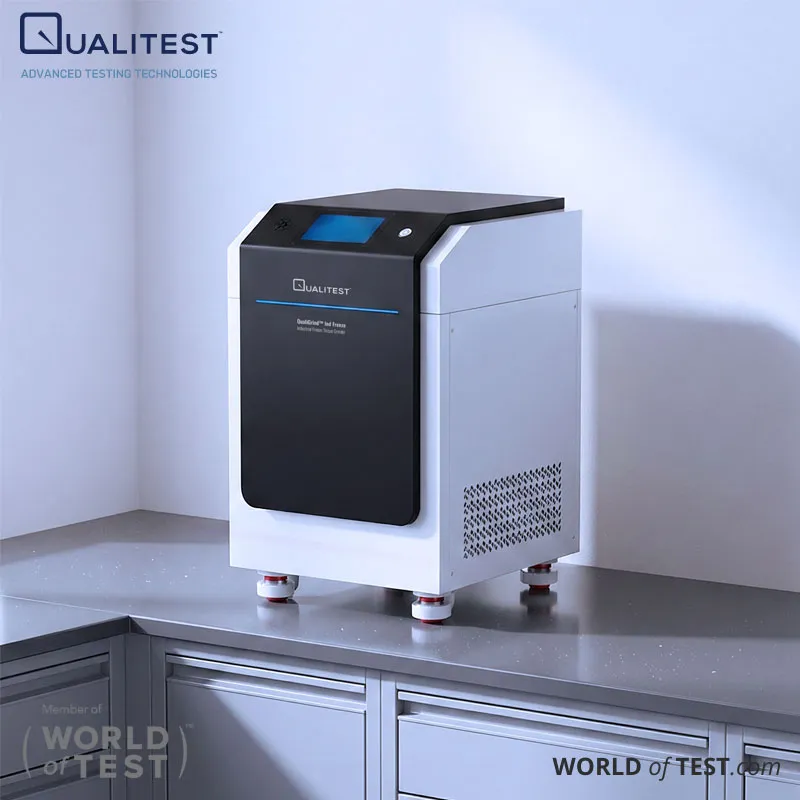
Industrial Freeze Tissue Grinder – QualiGrind™ Ind Freeze
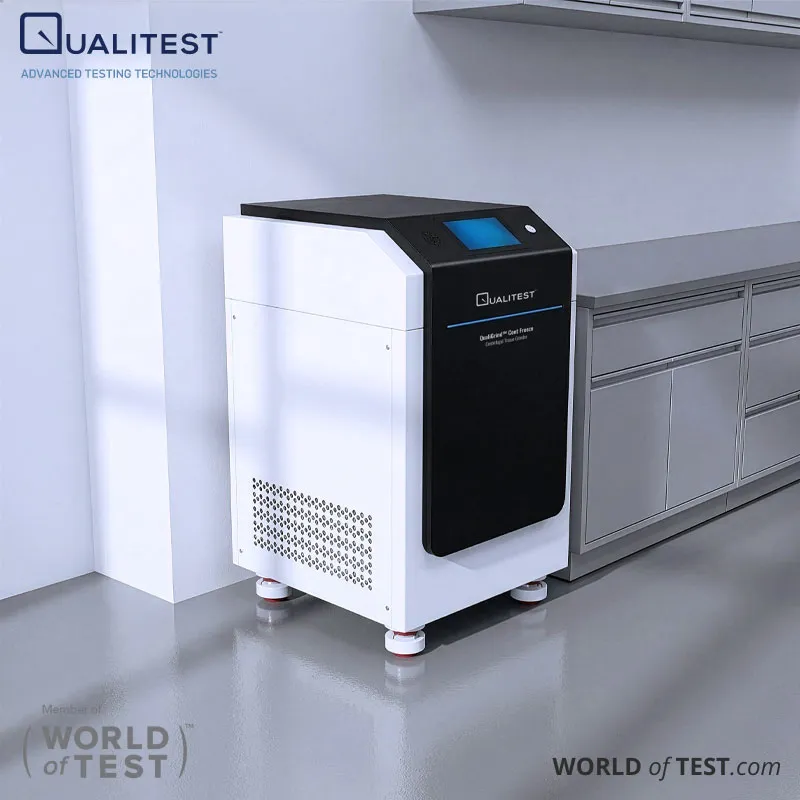
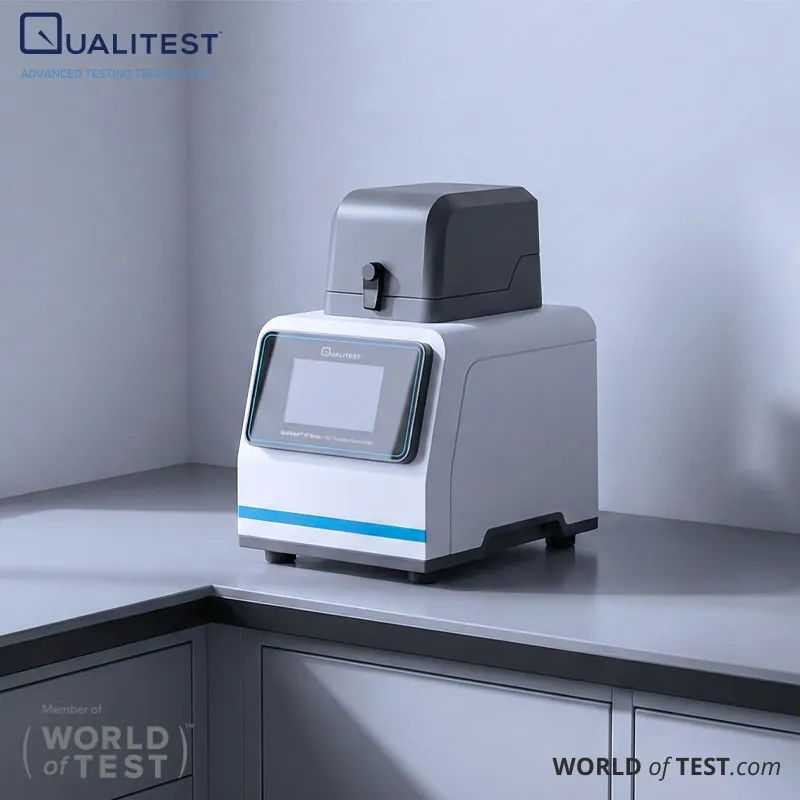
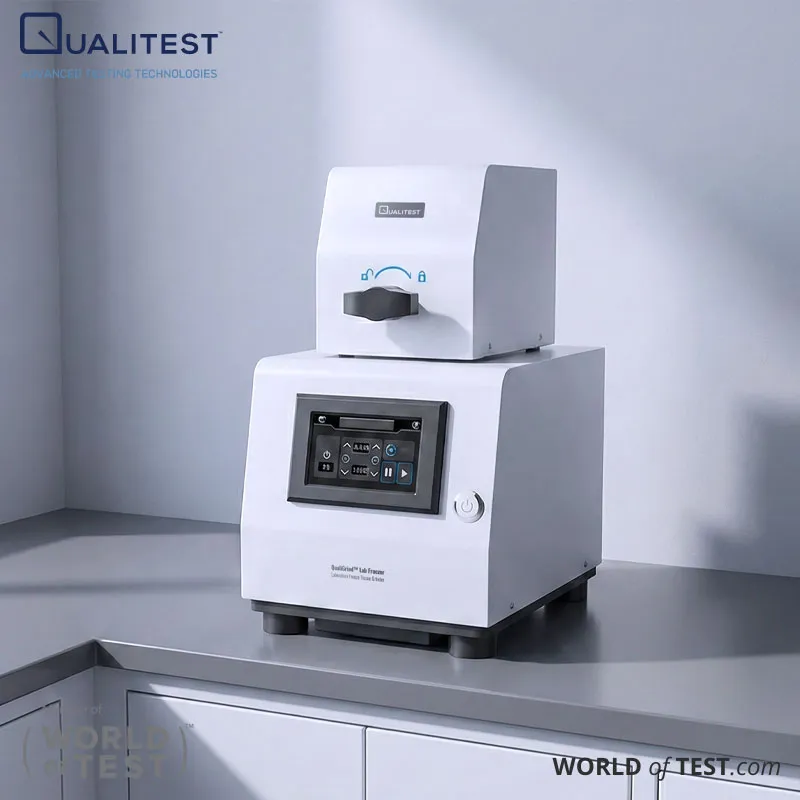
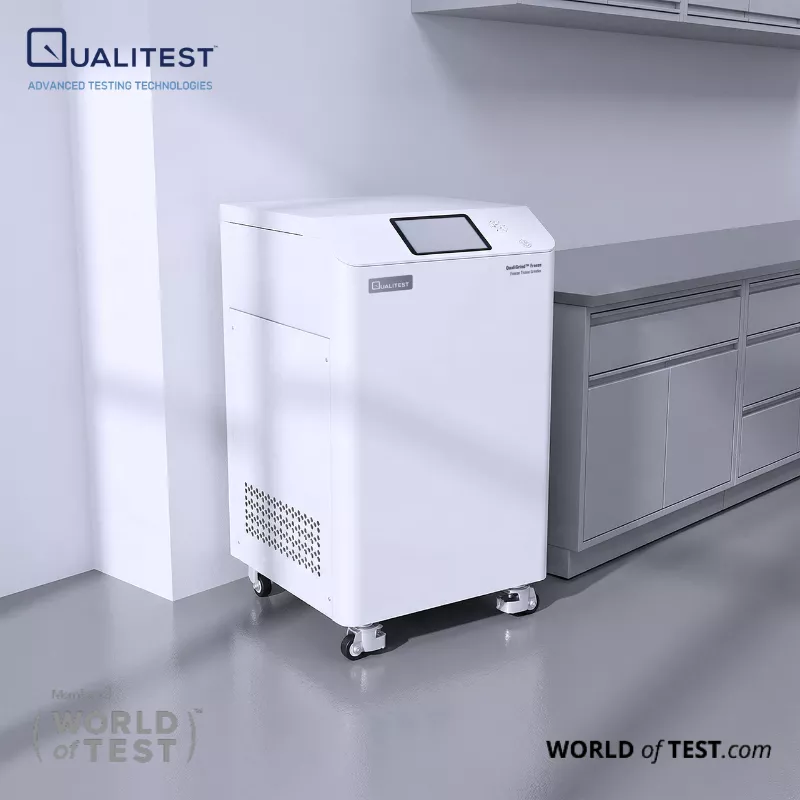
QualiGrind™ Ind Freeze is a high-capacity industrial freeze tissue grinder designed for efficient, high-throughput sample disruption under tightly controlled low-temperature conditions. It supports wet grinding, dry grinding, and pre-freeze processing to help maintain the integrity of temperature-sensitive biomolecules throughout homogenization. This makes it well suited for demanding laboratory and production-scale workflows where sample stability is critical.
The system is engineered for consistent, repeatable processing across large sample volumes, offering programmable operating parameters and stored method settings. These features support standardized workflows, improved process control, and reliable results across repeated runs without variation in output quality.
Industrial Freeze Tissue Grinder – QualiGrind™ Ind Freeze Applications
Cold, high-throughput tissue and cell disruption
Frozen and pre-chilled grinding conditions help minimize enzymatic activity during sample disruption. This approach supports downstream processes where maintaining temperature stability is important for consistent extraction performance.
Sample preparation for DNA, RNA, and protein workflows
The system is designed for preparation and isolation of native DNA, RNA, and proteins from a wide range of biological materials. Common sample types include plant and animal tissues, microorganisms, spores, fungi, and other complex biological specimens.
Multi-format adapters for laboratory throughput
A range of adapter configurations supports tubes and plate formats, including deep-well and multi-well systems. This enables laboratories to streamline workflows across different projects while maintaining the same grinding platform for consistent processing.
Standards Compliance
- IEC 61010-1 – Safety requirements for electrical equipment used in measurement, control, and laboratory environments, ensuring safe operation under defined conditions.
- IEC 61326-1 – Electromagnetic compatibility (EMC) requirements for electrical equipment used in measurement, control, and laboratory applications, supporting reliable performance in electrically controlled environments.
Industrial Freeze Tissue Grinder – QualiGrind™ Ind Freeze Key Features
- Cold grinding workflow support with refrigeration-assisted operation for processing frozen samples while helping maintain low-temperature conditions during preparation.
- Wide speed and frequency control to adjust disruption intensity according to sample type and desired homogenization level.
- Multiple grinding modes including wet, dry, and pre-freeze processing for flexible sample preparation approaches.
- Multi-format compatibility with adapter options such as deep-well and multi-well configurations to support varied laboratory workflows.
- Touchscreen interface for quick setup of operating parameters and efficient method management.
- Integrated safety functions including lid-open protection and emergency stop for controlled and secure operation.
- Method storage and run-data logging to support repeatable and standardized laboratory procedures.
- Voice prompt guidance to assist operators during workflow execution and reduce handling errors.
Theory and Method
A freeze tissue grinder operates through mechanical disruption using rapid oscillation combined with bead-mediated impact. Samples are processed in tubes, plates, or grinding jars, where beads repeatedly collide with the material, generating shear forces that break down tissue structure and cell walls during motion.
Operating parameters such as speed and run time regulate the energy applied to the sample, allowing adjustment based on tissue hardness and processing requirements. Cold processing conditions help maintain temperature control during grinding, supporting stability of sensitive biomolecules.
Different processing modes, including wet, dry, and pre-freeze grinding, enable selection of appropriate methods based on sample characteristics and downstream analytical needs.
Industrial Freeze Tissue Grinder – QualiGrind™ Ind Freeze Technical specifications
| Specification | QualiGrind™ Ind Freeze |
|---|---|
| Voltage | 220V / 50Hz (110V is also available) |
| Rated power | 375W |
| Time setting | 1–9999 s |
| Speed / frequency setting | 600–2100 RPM (20–70 Hz) |
| Data storage | Can store 48 sets of data |
| Fixture travel | 34 mm (vertical) |
| Sample capacity (standard) | Aluminum alloy adapter for 5 mL 12-well and 2 mL 96-well |
| Sample capacity (optional) | 2 mL 48-well adapter; 5/10/15/25/50/100 mL grinding jars; freezing adapter; deep-well adapter |
| Grinding method | Wet grinding, dry grinding, pre-freeze grinding |
| Grinding beads | Standard: φ3 mm stainless steel balls (1000 pcs) and φ6 mm stainless steel balls (1000 pcs) |
| Display mode | 7-inch TFT touch screen |
| Refrigeration temperature range | -30°C to -25°C |
| Voice prompt function | Yes |
| Post-grinding insulation function | Yes |
| Dimensions (L × W × H) | 505 × 550 × 840 mm |
Description
Industrial Freeze Tissue Grinder – QualiGrind™ Ind Freeze
QualiGrind™ Ind Freeze is a high-capacity industrial freeze tissue grinder designed for efficient, high-throughput sample disruption under tightly controlled low-temperature conditions. It supports wet grinding, dry grinding, and pre-freeze processing to help maintain the integrity of temperature-sensitive biomolecules throughout homogenization. This makes it well suited for demanding laboratory and production-scale workflows where sample stability is critical.
The system is engineered for consistent, repeatable processing across large sample volumes, offering programmable operating parameters and stored method settings. These features support standardized workflows, improved process control, and reliable results across repeated runs without variation in output quality.
Industrial Freeze Tissue Grinder – QualiGrind™ Ind Freeze Applications
Cold, high-throughput tissue and cell disruption
Frozen and pre-chilled grinding conditions help minimize enzymatic activity during sample disruption. This approach supports downstream processes where maintaining temperature stability is important for consistent extraction performance.
Sample preparation for DNA, RNA, and protein workflows
The system is designed for preparation and isolation of native DNA, RNA, and proteins from a wide range of biological materials. Common sample types include plant and animal tissues, microorganisms, spores, fungi, and other complex biological specimens.
Multi-format adapters for laboratory throughput
A range of adapter configurations supports tubes and plate formats, including deep-well and multi-well systems. This enables laboratories to streamline workflows across different projects while maintaining the same grinding platform for consistent processing.
Standards Compliance
- IEC 61010-1 – Safety requirements for electrical equipment used in measurement, control, and laboratory environments, ensuring safe operation under defined conditions.
- IEC 61326-1 – Electromagnetic compatibility (EMC) requirements for electrical equipment used in measurement, control, and laboratory applications, supporting reliable performance in electrically controlled environments.
Industrial Freeze Tissue Grinder – QualiGrind™ Ind Freeze Key Features
- Cold grinding workflow support with refrigeration-assisted operation for processing frozen samples while helping maintain low-temperature conditions during preparation.
- Wide speed and frequency control to adjust disruption intensity according to sample type and desired homogenization level.
- Multiple grinding modes including wet, dry, and pre-freeze processing for flexible sample preparation approaches.
- Multi-format compatibility with adapter options such as deep-well and multi-well configurations to support varied laboratory workflows.
- Touchscreen interface for quick setup of operating parameters and efficient method management.
- Integrated safety functions including lid-open protection and emergency stop for controlled and secure operation.
- Method storage and run-data logging to support repeatable and standardized laboratory procedures.
- Voice prompt guidance to assist operators during workflow execution and reduce handling errors.
Theory and Method
A freeze tissue grinder operates through mechanical disruption using rapid oscillation combined with bead-mediated impact. Samples are processed in tubes, plates, or grinding jars, where beads repeatedly collide with the material, generating shear forces that break down tissue structure and cell walls during motion.
Operating parameters such as speed and run time regulate the energy applied to the sample, allowing adjustment based on tissue hardness and processing requirements. Cold processing conditions help maintain temperature control during grinding, supporting stability of sensitive biomolecules.
Different processing modes, including wet, dry, and pre-freeze grinding, enable selection of appropriate methods based on sample characteristics and downstream analytical needs.
Industrial Freeze Tissue Grinder – QualiGrind™ Ind Freeze Technical specifications
| Specification | QualiGrind™ Ind Freeze |
|---|---|
| Voltage | 220V / 50Hz (110V is also available) |
| Rated power | 375W |
| Time setting | 1–9999 s |
| Speed / frequency setting | 600–2100 RPM (20–70 Hz) |
| Data storage | Can store 48 sets of data |
| Fixture travel | 34 mm (vertical) |
| Sample capacity (standard) | Aluminum alloy adapter for 5 mL 12-well and 2 mL 96-well |
| Sample capacity (optional) | 2 mL 48-well adapter; 5/10/15/25/50/100 mL grinding jars; freezing adapter; deep-well adapter |
| Grinding method | Wet grinding, dry grinding, pre-freeze grinding |
| Grinding beads | Standard: φ3 mm stainless steel balls (1000 pcs) and φ6 mm stainless steel balls (1000 pcs) |
| Display mode | 7-inch TFT touch screen |
| Refrigeration temperature range | -30°C to -25°C |
| Voice prompt function | Yes |
| Post-grinding insulation function | Yes |
| Dimensions (L × W × H) | 505 × 550 × 840 mm |