Original: $100.00
-65%$100.00
$35.00The Story
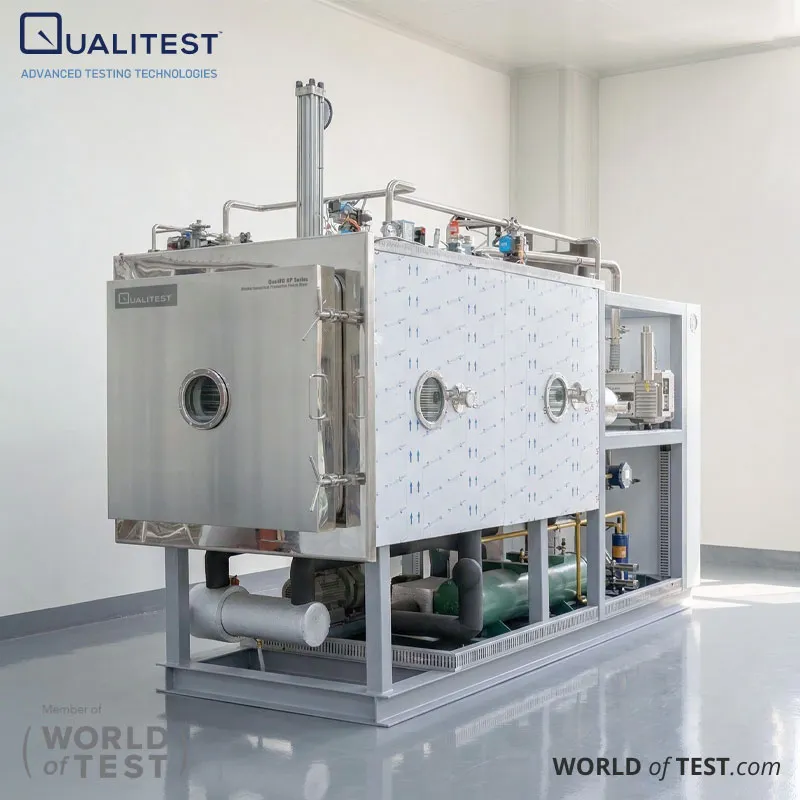
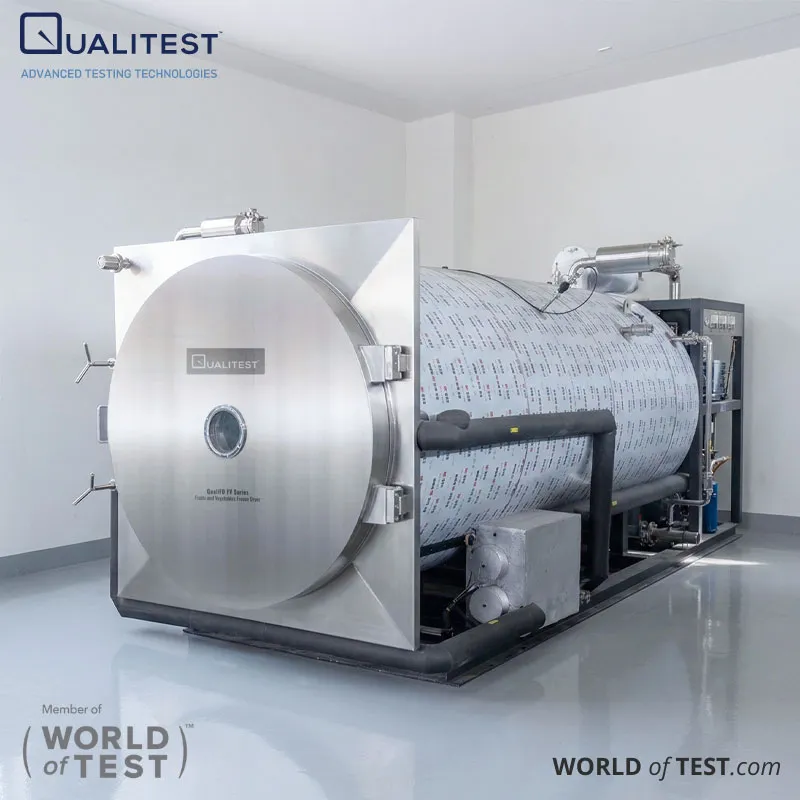
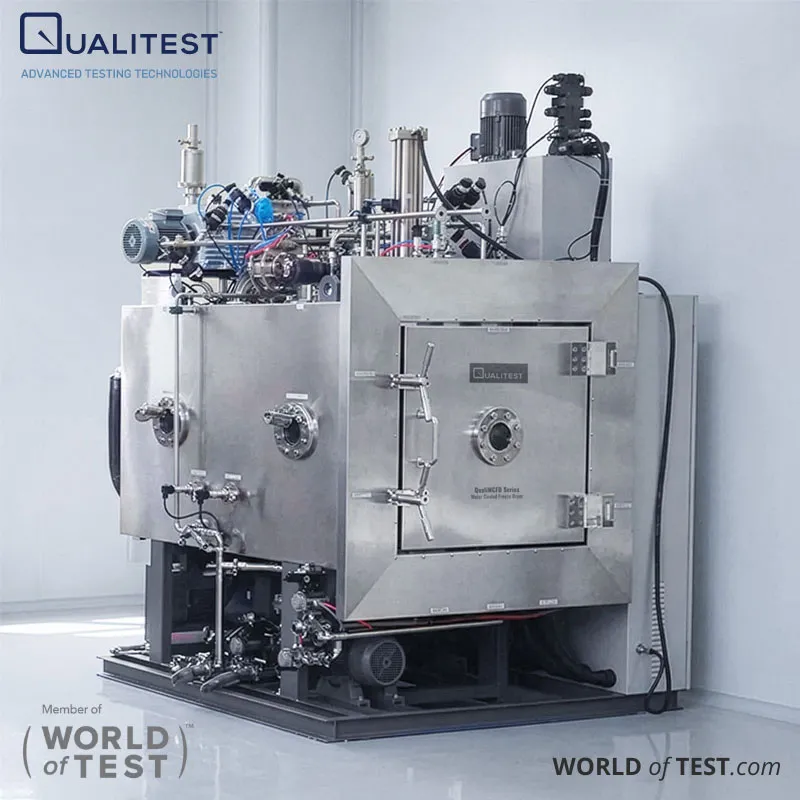
Water Cooled Freeze Dryer – QualiWCFD Series
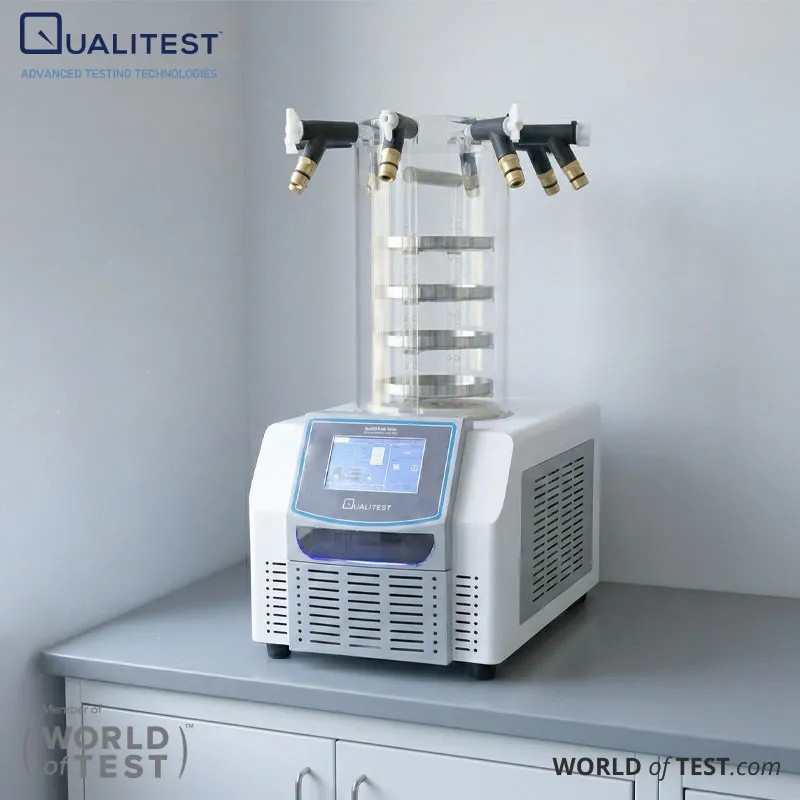
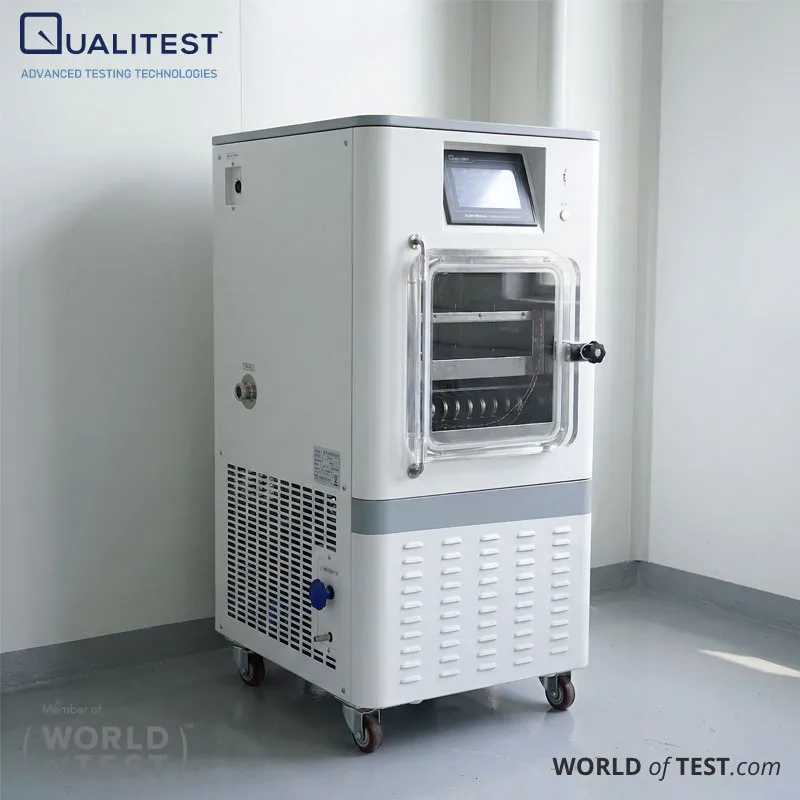
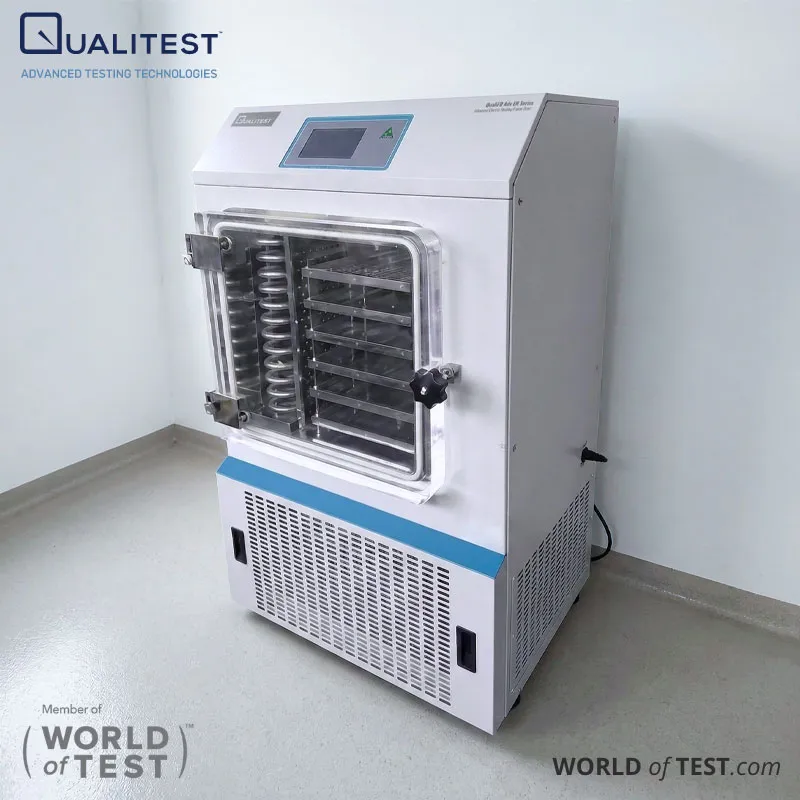
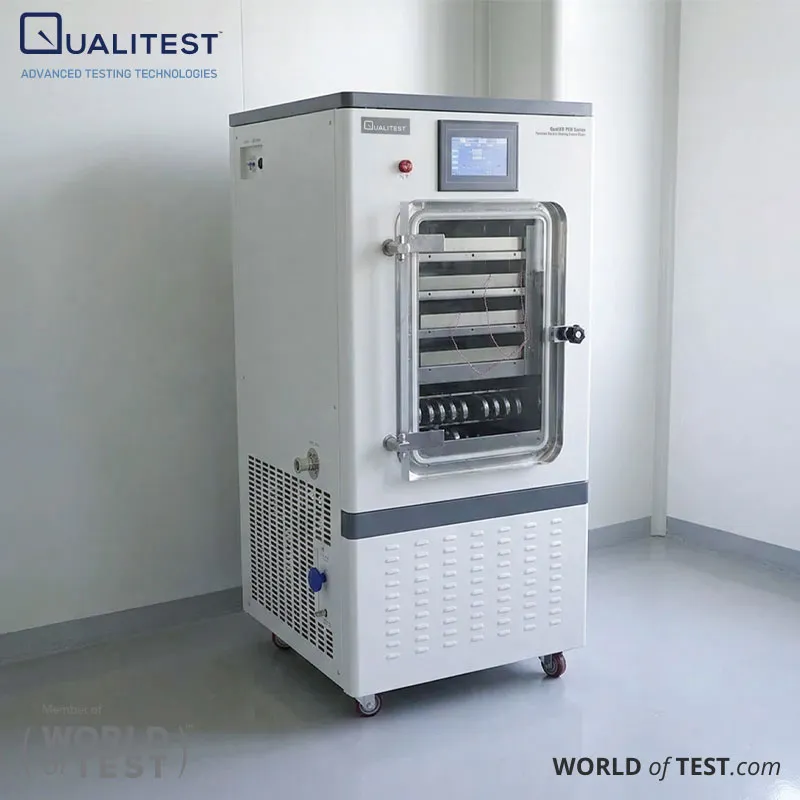
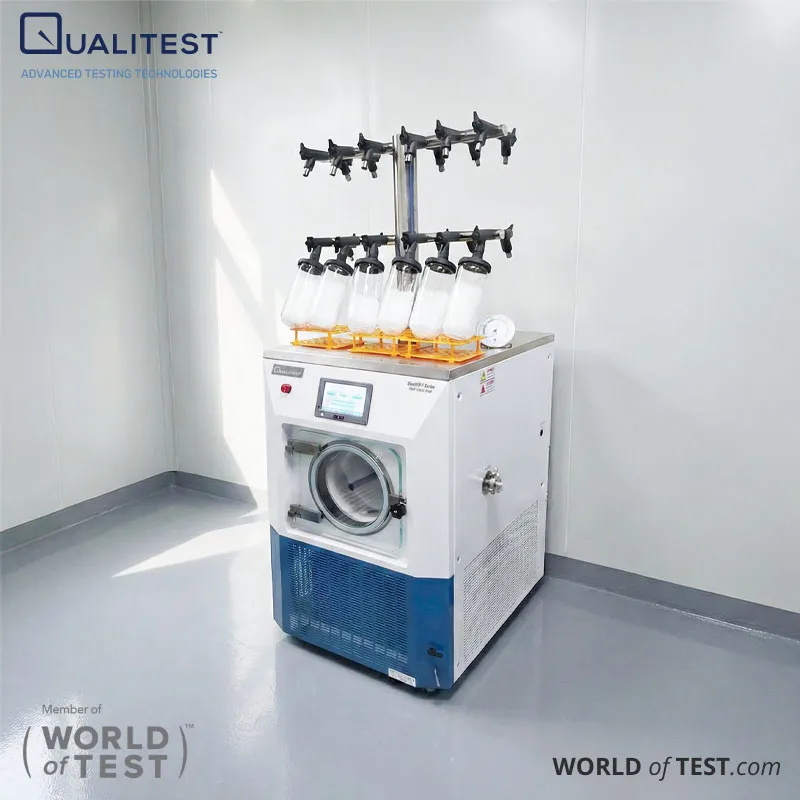
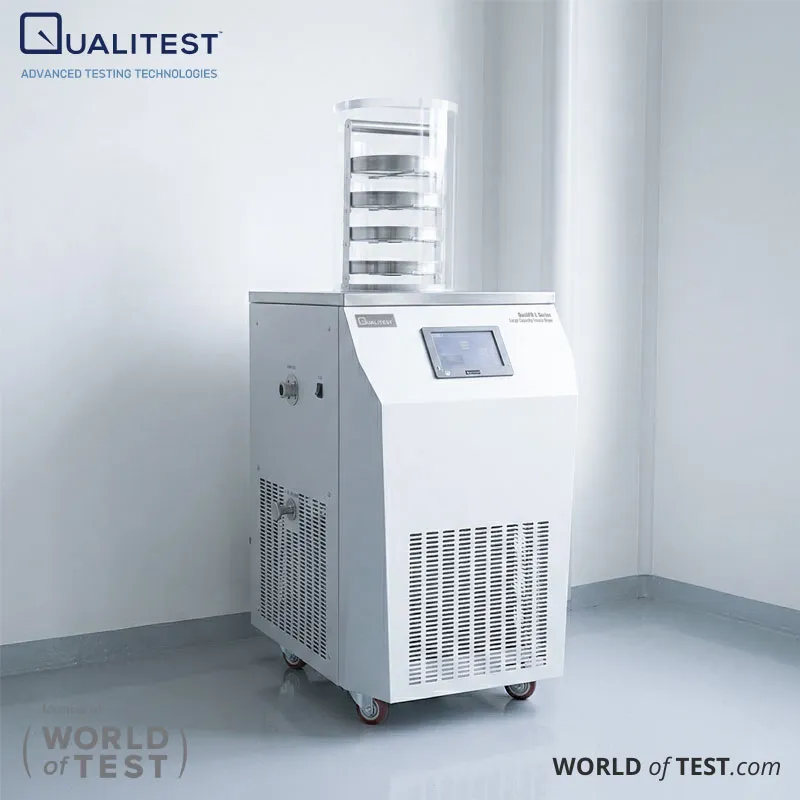
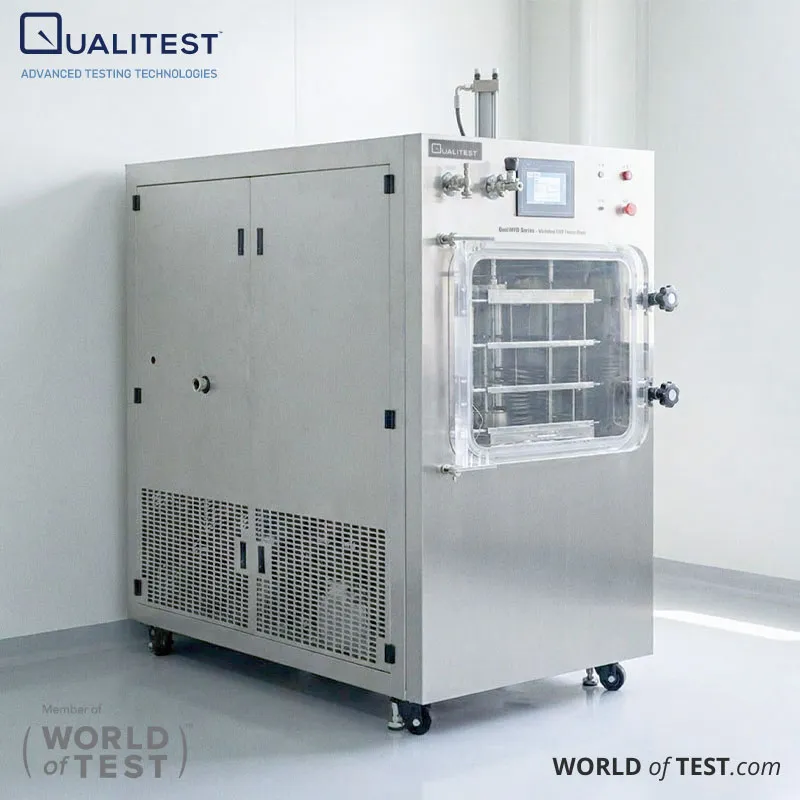
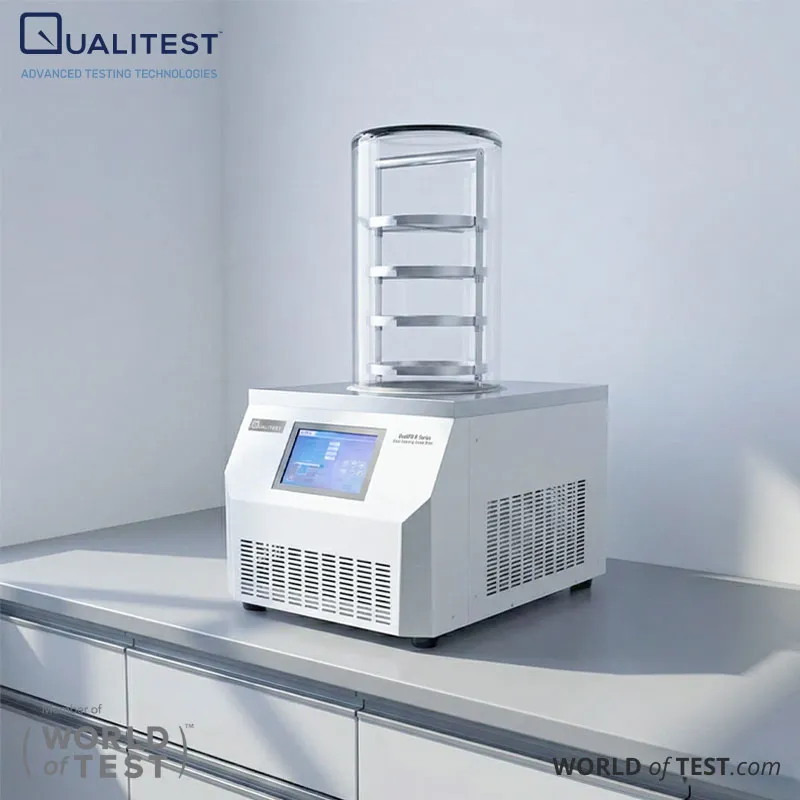
The QualiWCFD Series Water Cooled Freeze Dryer supports longer pilot runs with consistent heat removal and precise cycle control. Ideal for laboratory research, small-scale trials, and pilot production, it enables seamless preparation before full-scale manufacturing.
Designed for cycle development and validation, the system offers a freeze-drying area from 0.5 m² to 5 m² and feeding capacity ranging between 5 kg and 50 kg. Water serves as the cooling medium, paired with a reliable Bitzer refrigeration unit for stable operation.
This pilot-scale Freeze Dryer bridges the gap between lab-scale experiments and industrial production, allowing repeated trials to confirm process feasibility, optimize recipes, and minimize surprises during scale-up.
Features include controlled shelf temperature, deep vacuum performance, and a cold trap optimized for efficient vapor capture during sublimation. Optional CIP and SIP capabilities ensure elevated hygiene standards in regulated environments.
Applications – Water Cooled Freeze Dryer
Small-batch trials and pilot production: Water-cooled freeze dryers are ideal for producing limited batches while the process window is being fine-tuned. This stage provides consistent performance for product teams before moving to full-scale production equipment.
Repeated experiments for cycle optimization: Multiple freeze-drying runs allow confirmation of process feasibility and fine adjustment of freezing ramps, chamber pressure settings, and shelf temperature profiles. This method reduces development risk and enables faster iteration on formulations and container selections.
Validation prior to formal production: Pilot-scale testing supports feasibility assessments and documentation, offering structured verification for projects requiring qualification-style deliverables.
Laboratory research, pilot trials, and scale-up studies: R&D teams utilize pilot systems to study product behavior, confirm critical temperatures, and evaluate batch-to-batch consistency. Water-cooled configurations are preferred when steady condenser performance and frequent runs are needed.
Small-scale production with smoother scale-up: Pilot units can perform small-scale production while maintaining process similarity with larger systems. This ensures a more seamless transition from development to production planning when the same control strategy is applied.
Standards – Water Cooled Freeze Dryer
- ISO 13408-3 (Lyophilization as an aseptic process): Provides guidance for controlling and validating lyophilization equipment and processes to ensure reliable aseptic operation.
- ISO 13408-4 (Clean-in-place technologies): Defines requirements and best practices for applying CIP to product-contact surfaces, ensuring hygienic and efficient cleaning.
- ISO 13408-5 (Sterilization in place): Specifies guidance for SIP procedures on product-contact surfaces, supporting high hygiene standards in regulated environments.
- ASTM E2500 (Verification of pharmaceutical and biopharmaceutical systems): Offers a risk-based framework for the specification, design, and verification of equipment and systems, aligning with industry compliance expectations.
Water Cooled Freeze Dryer – QualiWCFD Series Key Features
- Pilot-scale design for small-scale trials: Ideal for laboratory research, pilot production, and early-stage process development before full-scale manufacturing.
- Flexible capacity range: Covers 0.5–5 m² freeze-drying shelf area and 5–50 kg feeding capacity, supporting diverse pilot programs.
- Deep vacuum performance: Achieves ≤ 1 Pa (no-load) for precise sublimation control during drying.
- Efficient vapor capture: Cold trap reaches temperatures of ≤ −75°C to ensure effective ice condensation during primary drying.
- Wide shelf temperature range: From −55°C to +70°C, enabling freezing, controlled drying, and secondary drying phases.
- Controlled ramp rates: Heating and cooling rates of 1°C/min support consistent and repeatable freeze-drying cycles.
- Reliable refrigeration: Equipped with a Bitzer refrigeration unit for stable water-cooled operation.
- Hygienic workflow options: Optional CIP and SIP functions maintain high hygiene standards in regulated environments.
- Structured validation support: Documentation includes DQ, IQ, and OQ to facilitate structured deployment and verification.
Theory and Method – Water Cooled Freeze Dryer
Freeze drying removes water from products through three main stages under vacuum: freezing, primary drying, and secondary drying. During freezing, the ice structure forms, influencing mass transfer and the final cake quality. Primary drying drives sublimation, with vapor captured on the cold trap to maintain stable chamber pressure. In secondary drying, bound moisture is removed through controlled shelf temperature holds, achieving the desired residual moisture content.
Water Cooled Freeze Dryer – QualiWCFD Series Technical Specification
| Specification | Unit | QualiWCFD |
|---|---|---|
| Freeze-drying area | m² | 0.5 to 5 |
| Feeding capacity | kg | 5 to 50 |
| Cold trap temperature | °C | ≤ -75 |
| Vacuum degree | Pa | ≤ 1 |
| Shelf temperature range | °C | -55 to +70 |
| Heating and cooling rate | °C/min | 1 |
| Cooling method | — | Water cooling |
| Refrigeration unit | — | Bitzer refrigeration unit |
| Optional functions | — | CIP, SIP |
| Validation documents (listed) | — | DQ, IQ, OQ |
Description
Water Cooled Freeze Dryer – QualiWCFD Series
The QualiWCFD Series Water Cooled Freeze Dryer supports longer pilot runs with consistent heat removal and precise cycle control. Ideal for laboratory research, small-scale trials, and pilot production, it enables seamless preparation before full-scale manufacturing.
Designed for cycle development and validation, the system offers a freeze-drying area from 0.5 m² to 5 m² and feeding capacity ranging between 5 kg and 50 kg. Water serves as the cooling medium, paired with a reliable Bitzer refrigeration unit for stable operation.
This pilot-scale Freeze Dryer bridges the gap between lab-scale experiments and industrial production, allowing repeated trials to confirm process feasibility, optimize recipes, and minimize surprises during scale-up.
Features include controlled shelf temperature, deep vacuum performance, and a cold trap optimized for efficient vapor capture during sublimation. Optional CIP and SIP capabilities ensure elevated hygiene standards in regulated environments.
Applications – Water Cooled Freeze Dryer
Small-batch trials and pilot production: Water-cooled freeze dryers are ideal for producing limited batches while the process window is being fine-tuned. This stage provides consistent performance for product teams before moving to full-scale production equipment.
Repeated experiments for cycle optimization: Multiple freeze-drying runs allow confirmation of process feasibility and fine adjustment of freezing ramps, chamber pressure settings, and shelf temperature profiles. This method reduces development risk and enables faster iteration on formulations and container selections.
Validation prior to formal production: Pilot-scale testing supports feasibility assessments and documentation, offering structured verification for projects requiring qualification-style deliverables.
Laboratory research, pilot trials, and scale-up studies: R&D teams utilize pilot systems to study product behavior, confirm critical temperatures, and evaluate batch-to-batch consistency. Water-cooled configurations are preferred when steady condenser performance and frequent runs are needed.
Small-scale production with smoother scale-up: Pilot units can perform small-scale production while maintaining process similarity with larger systems. This ensures a more seamless transition from development to production planning when the same control strategy is applied.
Standards – Water Cooled Freeze Dryer
- ISO 13408-3 (Lyophilization as an aseptic process): Provides guidance for controlling and validating lyophilization equipment and processes to ensure reliable aseptic operation.
- ISO 13408-4 (Clean-in-place technologies): Defines requirements and best practices for applying CIP to product-contact surfaces, ensuring hygienic and efficient cleaning.
- ISO 13408-5 (Sterilization in place): Specifies guidance for SIP procedures on product-contact surfaces, supporting high hygiene standards in regulated environments.
- ASTM E2500 (Verification of pharmaceutical and biopharmaceutical systems): Offers a risk-based framework for the specification, design, and verification of equipment and systems, aligning with industry compliance expectations.
Water Cooled Freeze Dryer – QualiWCFD Series Key Features
- Pilot-scale design for small-scale trials: Ideal for laboratory research, pilot production, and early-stage process development before full-scale manufacturing.
- Flexible capacity range: Covers 0.5–5 m² freeze-drying shelf area and 5–50 kg feeding capacity, supporting diverse pilot programs.
- Deep vacuum performance: Achieves ≤ 1 Pa (no-load) for precise sublimation control during drying.
- Efficient vapor capture: Cold trap reaches temperatures of ≤ −75°C to ensure effective ice condensation during primary drying.
- Wide shelf temperature range: From −55°C to +70°C, enabling freezing, controlled drying, and secondary drying phases.
- Controlled ramp rates: Heating and cooling rates of 1°C/min support consistent and repeatable freeze-drying cycles.
- Reliable refrigeration: Equipped with a Bitzer refrigeration unit for stable water-cooled operation.
- Hygienic workflow options: Optional CIP and SIP functions maintain high hygiene standards in regulated environments.
- Structured validation support: Documentation includes DQ, IQ, and OQ to facilitate structured deployment and verification.
Theory and Method – Water Cooled Freeze Dryer
Freeze drying removes water from products through three main stages under vacuum: freezing, primary drying, and secondary drying. During freezing, the ice structure forms, influencing mass transfer and the final cake quality. Primary drying drives sublimation, with vapor captured on the cold trap to maintain stable chamber pressure. In secondary drying, bound moisture is removed through controlled shelf temperature holds, achieving the desired residual moisture content.
Water Cooled Freeze Dryer – QualiWCFD Series Technical Specification
| Specification | Unit | QualiWCFD |
|---|---|---|
| Freeze-drying area | m² | 0.5 to 5 |
| Feeding capacity | kg | 5 to 50 |
| Cold trap temperature | °C | ≤ -75 |
| Vacuum degree | Pa | ≤ 1 |
| Shelf temperature range | °C | -55 to +70 |
| Heating and cooling rate | °C/min | 1 |
| Cooling method | — | Water cooling |
| Refrigeration unit | — | Bitzer refrigeration unit |
| Optional functions | — | CIP, SIP |
| Validation documents (listed) | — | DQ, IQ, OQ |