Original: $100.00
-65%$100.00
$35.00The Story
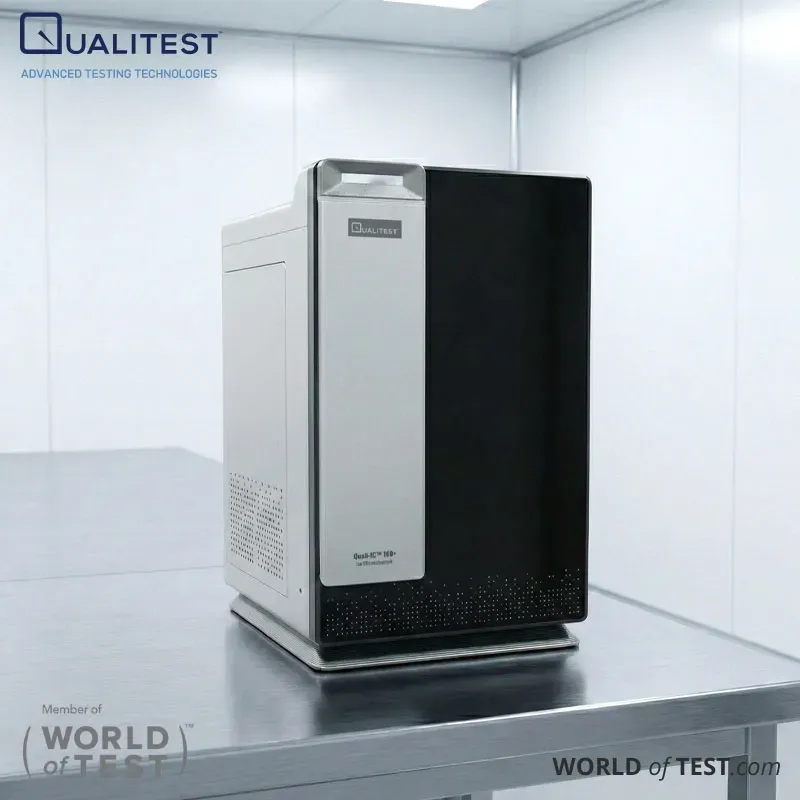
Ion Chromatograph – Quali-IC™ 160+
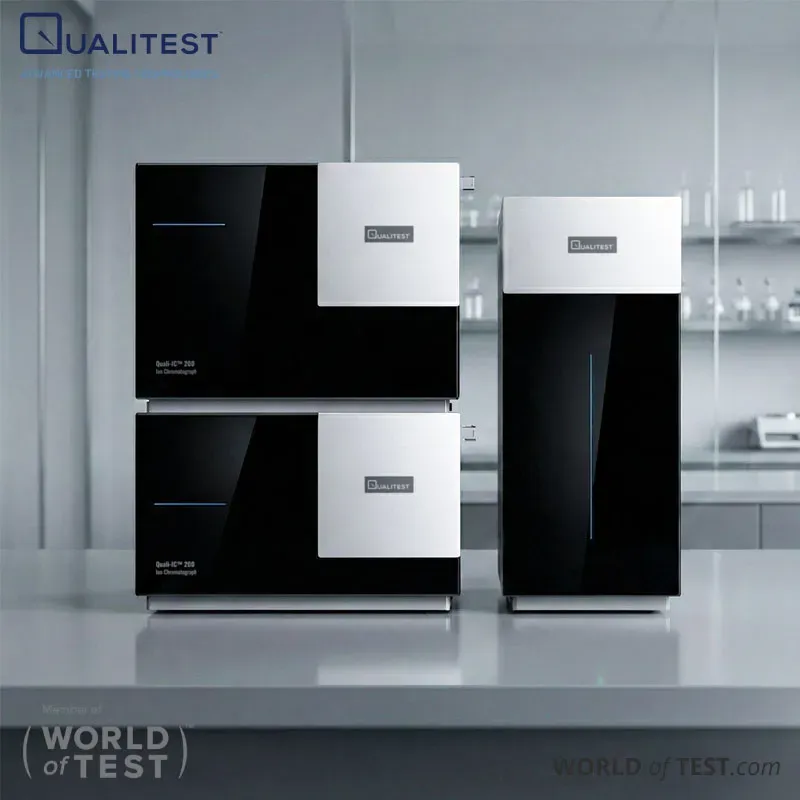
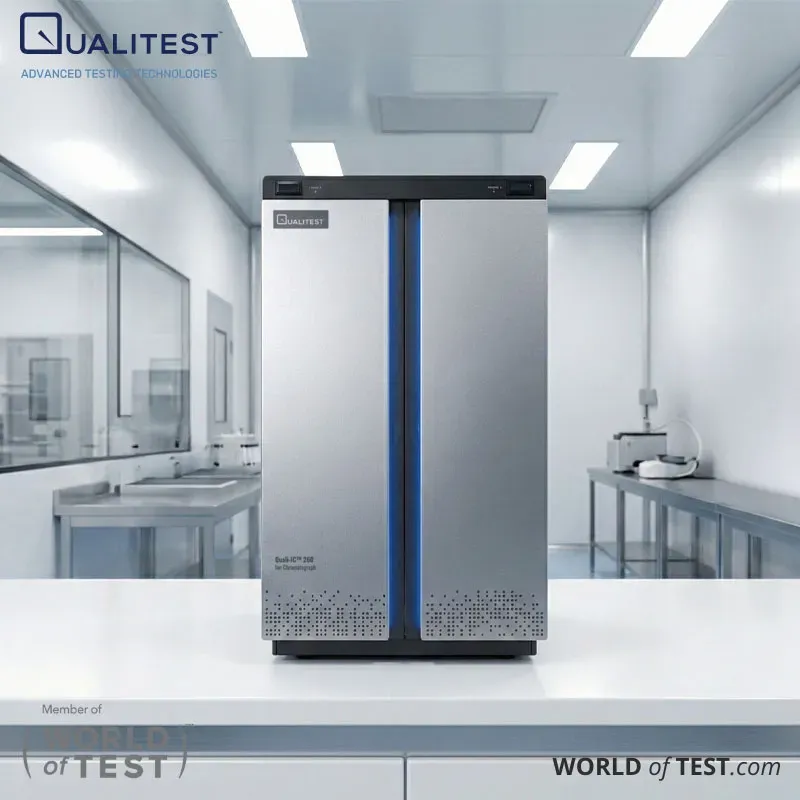
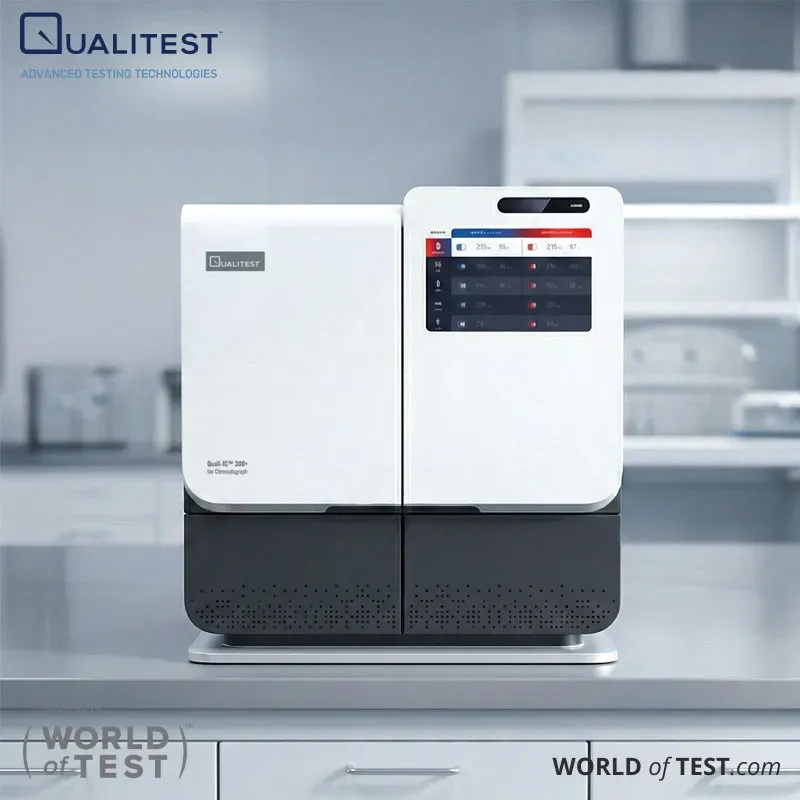
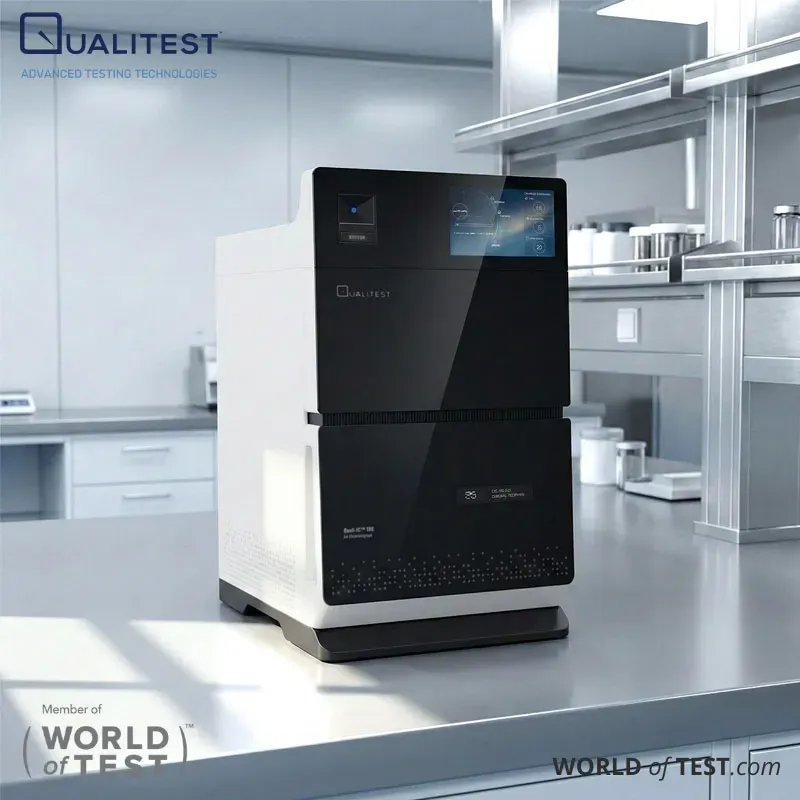
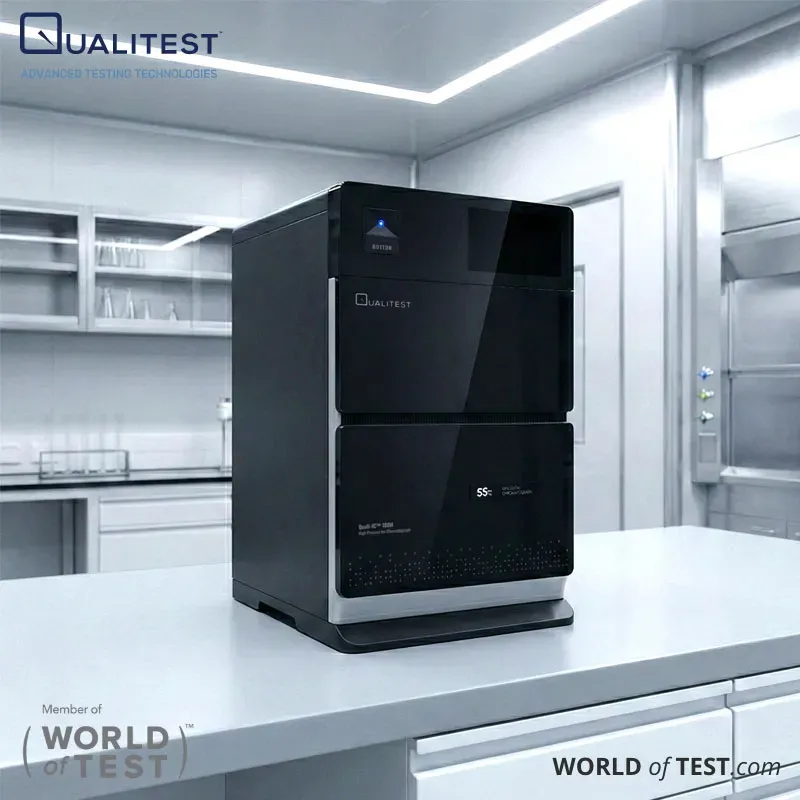
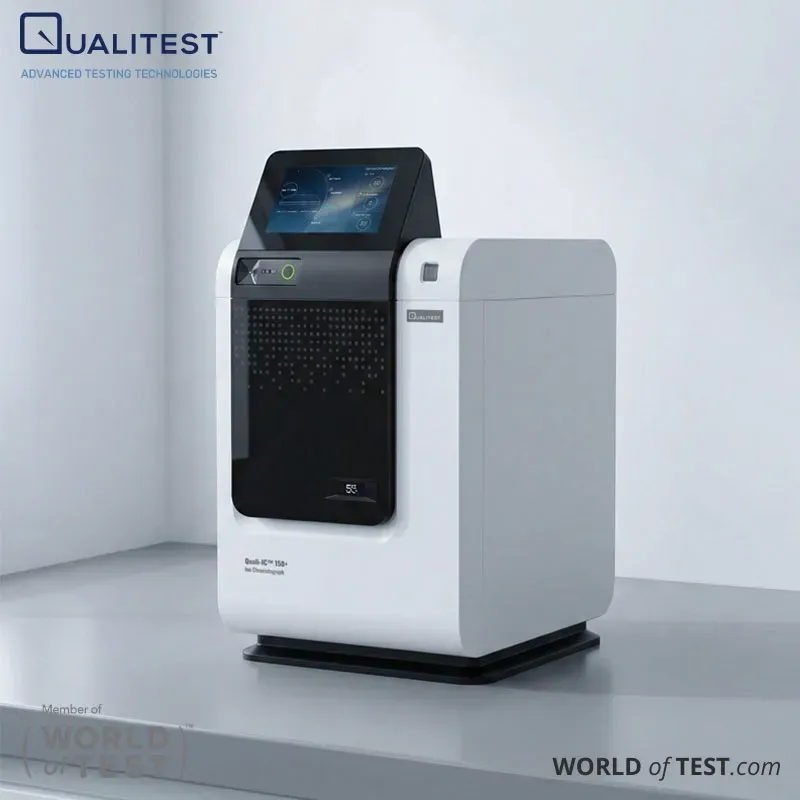
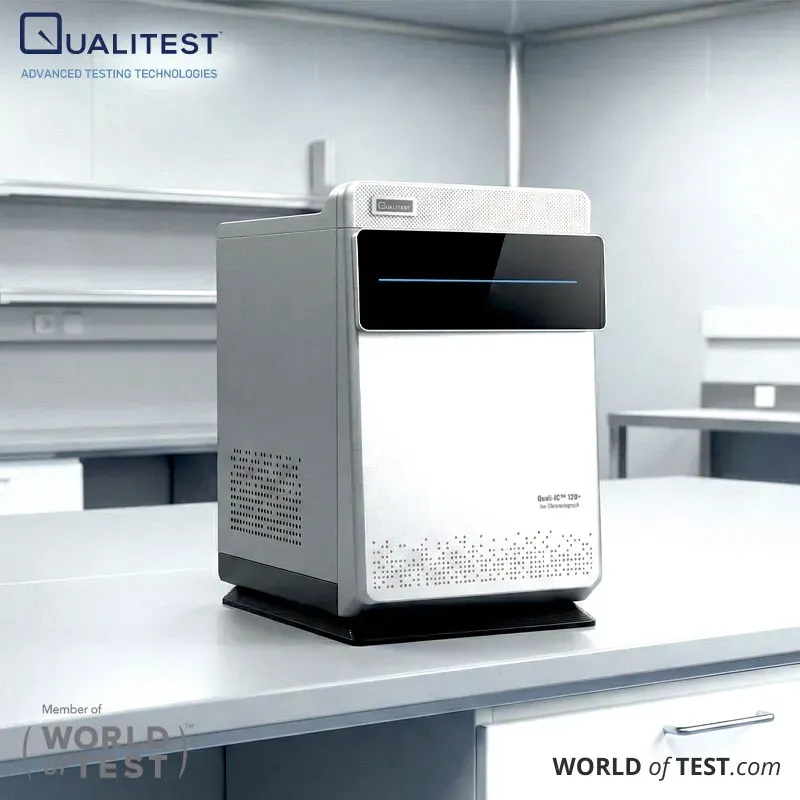
The Quali-IC™ 160+ is a high-performance ion chromatograph designed for precise, stable, and fully automated analysis of anions and cations in laboratory and industrial environments. Ideal for both routine testing and advanced research, it integrates intelligent eluent generation, high-pressure pumping, and auto-range conductivity detection to deliver accurate measurements across ppb to ppm levels.
Featuring a built-in eluent generator, electrolytic suppressor, and advanced conductivity detector, the Quali-IC™ 160+ ensures simplified operation while maintaining high sensitivity and reproducibility. Robust safety monitoring, baseline correction algorithms, and a metal-free PEEK flow path provide long-term reliability and confidence in analytical results.
Ion Chromatograph – Quali-IC™ 160+ Applications
The Ion Chromatograph – Quali-IC™ 160+ is widely applied for ionic analysis in:
Environmental Monitoring
Accurate determination of inorganic anions and cations in drinking water, wastewater, surface water, and environmental samples.
Food & Beverage Testing
Analysis of preservatives, organic acids, and inorganic ions to support quality and safety control.
Pharmaceutical & Chemical Analysis
Quality assessment of raw materials, intermediates, and finished products for ionic purity.
Power & Semiconductor Industries
Detection of trace ionic contaminants in ultrapure water and process chemicals to ensure system reliability.
Academic & Research Laboratories
High-precision ion separation and quantification for method development, validation, and advanced studies.
Standards for Ion Chromatography (IC) – Quali-IC™ 160+
The following standards provide validated methods for accurate and compliant ion chromatography analysis across water, environmental, food, pharmaceutical, and electronics applications.
1. Water and Environmental Monitoring
General Anion Analysis (Water and Wastewater)
- ASTM D2036: Standard testing for common anions (chloride, sulfate, nitrate) in water.
- ASTM D6832: Analysis of anions and cations in water for industrial processes and power generation.
- ASTM D6919: Determination of dissolved inorganic anions in water and wastewater.
- ASTM D7359: Measurement of trace anions in water using suppressed conductivity detection.
- ASTM D7994: Modern IC techniques for inorganic anion determination in water.
- US EPA 300.0 / 300.1: Measurement of inorganic anions (fluoride, chloride, nitrate, nitrite, sulfate) in drinking water and wastewater.
- US EPA 1636: Determination of inorganic anions in aqueous samples for environmental monitoring.
- DIN 38409-59 & EN 17813: European standards for inorganic anion measurement in water and wastewater compliance.
Specialized Contaminants and Matrices
- ASTM D5794: Analysis of inorganic anions in atmospheric deposition samples (e.g., rain and snow).
Perchlorate Detection (Environmental & Drinking Water)
- US EPA 302.0: Detection of perchlorate in general environmental water samples.
- US EPA 314.0: Low-concentration perchlorate detection in drinking water.
- US EPA 332.0: Suppressed conductivity IC method for perchlorate analysis in drinking water.
Disinfection Byproducts
- US EPA 321.8: Determination of bromate, bromide, chlorite, and chlorate in drinking water.
Organic/Inorganic Mix
- US EPA 6860: Analysis covering both organic acids and inorganic anions in water.
Solid Waste and Soil Matrices
- US EPA 9056 / 9058: Protocols for analyzing inorganic anions in soils, solid waste, and aqueous extracts.
2. Combustion IC (Petrochemicals and Materials)
- ASTM D8247: Determination of total fluorine, halogens, and sulfur in materials via combustion IC.
- US EPA 1621: Procedures for measuring adsorbable organic fluorine, chlorine, and bromine.
- UOP 991: Analysis of trace halogens and sulfur in petroleum products.
3. Food, Beverage, and Nutritional Analysis (AOAC)
General Food and Beverage Analysis
- AOAC 995.13: Measurement of chloride, nitrate, and sulfate across diverse food matrices.
- AOAC 996.04: Analysis of organic acids and inorganic ions in food and beverage products.
- AOAC 997.08: Detection of bromide and bromate in food and beverages.
- AOAC 2000.11: Focused anion determination for dairy and processed foods.
Specific Nutritional and Safety Concerns
- AOAC 2001.02: Quantification of nitrate and nitrite in foods.
- AOAC 2012.20: Inorganic anion analysis for infant formula and nutritional supplements.
4. Electronics and Industrial Compliance
- IEC 62321: Analytical methods for determining halogens in electrical and electronic products (RoHS compliance).
- IPC-TM-650 2.3.28: Methods for measuring ionic contamination on printed circuit boards (PCBs).
These standards ensure that laboratories using the Quali-IC™ 160+ can achieve accurate, reproducible, and regulatory-compliant ion chromatography results across a wide range of applications.
Ion Chromatograph – Quali-IC™ 160+ Key Features
Built-In Eluent Generator
Automatically produces hydroxide or methanesulfonic acid eluents for isocratic or gradient separations, eliminating the need for manual preparation.
Real-Time Consumables Monitoring
Continuously tracks suppressor and column status to ensure stable performance and prompt maintenance.
Advanced Baseline Correction Software
Intelligent algorithms for baseline subtraction and filtering reduce drift and noise from gradient elution.
Comprehensive Safety Protection
Integrated alarms for pressure, leakage, and reagents provide real-time protection with automatic shutdown.
Auto-Range Conductivity Detector
Automatically adjusts to measure wide concentration ranges from ppb to ppm without manual intervention.
Gas–Liquid Separation System
Efficiently removes bubbles from the flow path, improving detection stability and signal accuracy.
High-Precision Autosampler Compatibility
Supports accurate and repeatable injections with the SHINE high-performance autosampler.
Vacuum Degassing System
Built-in degasser minimizes bubble interference, enhancing chromatographic stability and reproducibility.
Ion Chromatograph – Quali-IC™ 160+ Technical Specifications
| Parameter | Specification |
|---|---|
| Model | Quali-IC™ 160+ |
| Analytical Technique | Ion Chromatography |
| Eluent Generator | Built-in |
| Eluent Types | KOH / NaOH / LiOH / MSA |
| Eluent Concentration Range | 0.1–100 mM |
| Flow Rate Range | 0.001–12 mL/min |
| Maximum Pump Pressure | Up to 42 MPa |
| Pump Type | High-pressure, low-pulse dual-piston pump |
| Flow Accuracy / Precision | ≤ 0.1% |
| Vacuum Degassing Efficiency | ≥ 90% at 1.0 mL/min |
| Suppressor Type | Self-regenerating electrolytic membrane |
| Detector Type | Auto-range conductivity detector |
| Detection Range | 0–50,000 μS/cm |
| Baseline Noise | ≤ 0.0002 μS/cm |
| Linearity | ≥ 0.999 |
| Minimum Detectable Concentration | Cl⁻ ≤ 0.0001 μg/mL; Li⁺ ≤ 0.0001 μg/mL |
| Column Heater Range | Ambient +5 °C to 85 °C |
| Power Consumption | 150 W |
| Dimensions (W × D × H) | 360 × 500 × 560 mm |
| Net Weight | 31 kg |
Description
Ion Chromatograph – Quali-IC™ 160+
The Quali-IC™ 160+ is a high-performance ion chromatograph designed for precise, stable, and fully automated analysis of anions and cations in laboratory and industrial environments. Ideal for both routine testing and advanced research, it integrates intelligent eluent generation, high-pressure pumping, and auto-range conductivity detection to deliver accurate measurements across ppb to ppm levels.
Featuring a built-in eluent generator, electrolytic suppressor, and advanced conductivity detector, the Quali-IC™ 160+ ensures simplified operation while maintaining high sensitivity and reproducibility. Robust safety monitoring, baseline correction algorithms, and a metal-free PEEK flow path provide long-term reliability and confidence in analytical results.
Ion Chromatograph – Quali-IC™ 160+ Applications
The Ion Chromatograph – Quali-IC™ 160+ is widely applied for ionic analysis in:
Environmental Monitoring
Accurate determination of inorganic anions and cations in drinking water, wastewater, surface water, and environmental samples.
Food & Beverage Testing
Analysis of preservatives, organic acids, and inorganic ions to support quality and safety control.
Pharmaceutical & Chemical Analysis
Quality assessment of raw materials, intermediates, and finished products for ionic purity.
Power & Semiconductor Industries
Detection of trace ionic contaminants in ultrapure water and process chemicals to ensure system reliability.
Academic & Research Laboratories
High-precision ion separation and quantification for method development, validation, and advanced studies.
Standards for Ion Chromatography (IC) – Quali-IC™ 160+
The following standards provide validated methods for accurate and compliant ion chromatography analysis across water, environmental, food, pharmaceutical, and electronics applications.
1. Water and Environmental Monitoring
General Anion Analysis (Water and Wastewater)
- ASTM D2036: Standard testing for common anions (chloride, sulfate, nitrate) in water.
- ASTM D6832: Analysis of anions and cations in water for industrial processes and power generation.
- ASTM D6919: Determination of dissolved inorganic anions in water and wastewater.
- ASTM D7359: Measurement of trace anions in water using suppressed conductivity detection.
- ASTM D7994: Modern IC techniques for inorganic anion determination in water.
- US EPA 300.0 / 300.1: Measurement of inorganic anions (fluoride, chloride, nitrate, nitrite, sulfate) in drinking water and wastewater.
- US EPA 1636: Determination of inorganic anions in aqueous samples for environmental monitoring.
- DIN 38409-59 & EN 17813: European standards for inorganic anion measurement in water and wastewater compliance.
Specialized Contaminants and Matrices
- ASTM D5794: Analysis of inorganic anions in atmospheric deposition samples (e.g., rain and snow).
Perchlorate Detection (Environmental & Drinking Water)
- US EPA 302.0: Detection of perchlorate in general environmental water samples.
- US EPA 314.0: Low-concentration perchlorate detection in drinking water.
- US EPA 332.0: Suppressed conductivity IC method for perchlorate analysis in drinking water.
Disinfection Byproducts
- US EPA 321.8: Determination of bromate, bromide, chlorite, and chlorate in drinking water.
Organic/Inorganic Mix
- US EPA 6860: Analysis covering both organic acids and inorganic anions in water.
Solid Waste and Soil Matrices
- US EPA 9056 / 9058: Protocols for analyzing inorganic anions in soils, solid waste, and aqueous extracts.
2. Combustion IC (Petrochemicals and Materials)
- ASTM D8247: Determination of total fluorine, halogens, and sulfur in materials via combustion IC.
- US EPA 1621: Procedures for measuring adsorbable organic fluorine, chlorine, and bromine.
- UOP 991: Analysis of trace halogens and sulfur in petroleum products.
3. Food, Beverage, and Nutritional Analysis (AOAC)
General Food and Beverage Analysis
- AOAC 995.13: Measurement of chloride, nitrate, and sulfate across diverse food matrices.
- AOAC 996.04: Analysis of organic acids and inorganic ions in food and beverage products.
- AOAC 997.08: Detection of bromide and bromate in food and beverages.
- AOAC 2000.11: Focused anion determination for dairy and processed foods.
Specific Nutritional and Safety Concerns
- AOAC 2001.02: Quantification of nitrate and nitrite in foods.
- AOAC 2012.20: Inorganic anion analysis for infant formula and nutritional supplements.
4. Electronics and Industrial Compliance
- IEC 62321: Analytical methods for determining halogens in electrical and electronic products (RoHS compliance).
- IPC-TM-650 2.3.28: Methods for measuring ionic contamination on printed circuit boards (PCBs).
These standards ensure that laboratories using the Quali-IC™ 160+ can achieve accurate, reproducible, and regulatory-compliant ion chromatography results across a wide range of applications.
Ion Chromatograph – Quali-IC™ 160+ Key Features
Built-In Eluent Generator
Automatically produces hydroxide or methanesulfonic acid eluents for isocratic or gradient separations, eliminating the need for manual preparation.
Real-Time Consumables Monitoring
Continuously tracks suppressor and column status to ensure stable performance and prompt maintenance.
Advanced Baseline Correction Software
Intelligent algorithms for baseline subtraction and filtering reduce drift and noise from gradient elution.
Comprehensive Safety Protection
Integrated alarms for pressure, leakage, and reagents provide real-time protection with automatic shutdown.
Auto-Range Conductivity Detector
Automatically adjusts to measure wide concentration ranges from ppb to ppm without manual intervention.
Gas–Liquid Separation System
Efficiently removes bubbles from the flow path, improving detection stability and signal accuracy.
High-Precision Autosampler Compatibility
Supports accurate and repeatable injections with the SHINE high-performance autosampler.
Vacuum Degassing System
Built-in degasser minimizes bubble interference, enhancing chromatographic stability and reproducibility.
Ion Chromatograph – Quali-IC™ 160+ Technical Specifications
| Parameter | Specification |
|---|---|
| Model | Quali-IC™ 160+ |
| Analytical Technique | Ion Chromatography |
| Eluent Generator | Built-in |
| Eluent Types | KOH / NaOH / LiOH / MSA |
| Eluent Concentration Range | 0.1–100 mM |
| Flow Rate Range | 0.001–12 mL/min |
| Maximum Pump Pressure | Up to 42 MPa |
| Pump Type | High-pressure, low-pulse dual-piston pump |
| Flow Accuracy / Precision | ≤ 0.1% |
| Vacuum Degassing Efficiency | ≥ 90% at 1.0 mL/min |
| Suppressor Type | Self-regenerating electrolytic membrane |
| Detector Type | Auto-range conductivity detector |
| Detection Range | 0–50,000 μS/cm |
| Baseline Noise | ≤ 0.0002 μS/cm |
| Linearity | ≥ 0.999 |
| Minimum Detectable Concentration | Cl⁻ ≤ 0.0001 μg/mL; Li⁺ ≤ 0.0001 μg/mL |
| Column Heater Range | Ambient +5 °C to 85 °C |
| Power Consumption | 150 W |
| Dimensions (W × D × H) | 360 × 500 × 560 mm |
| Net Weight | 31 kg |